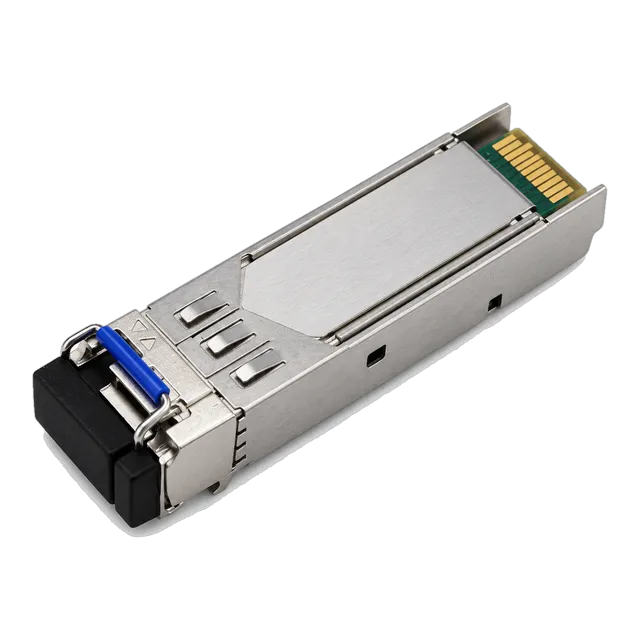
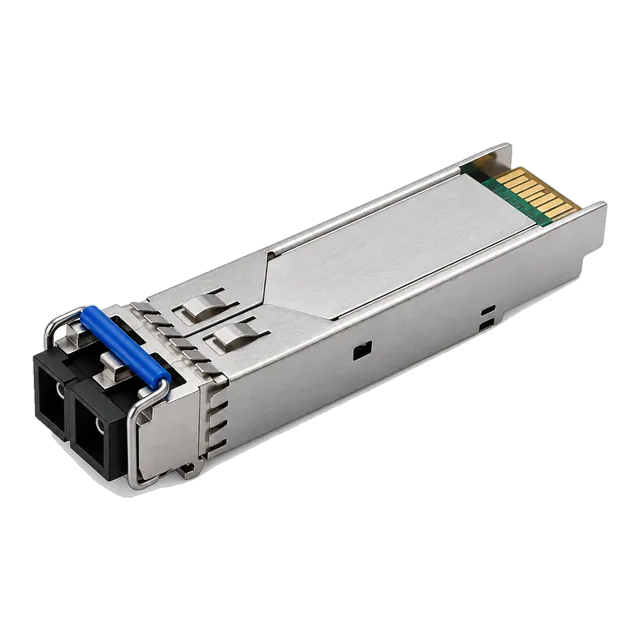
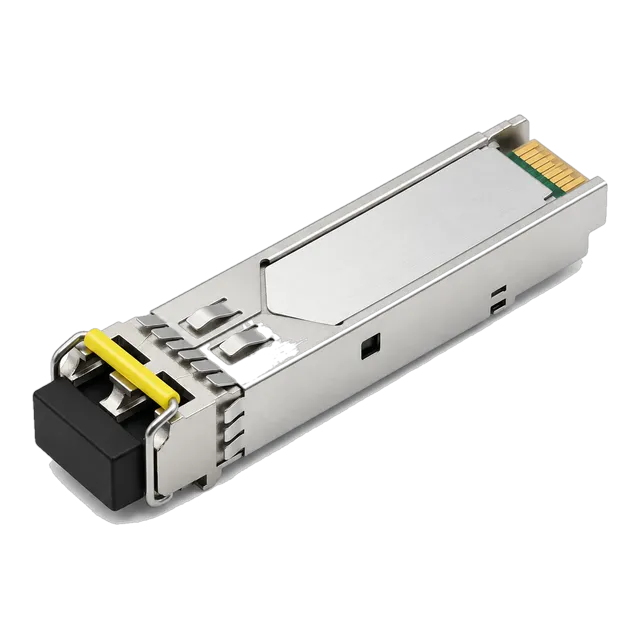
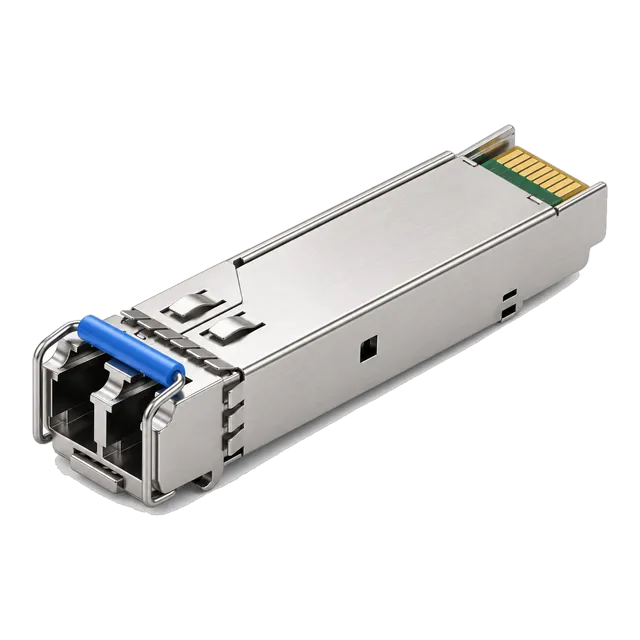
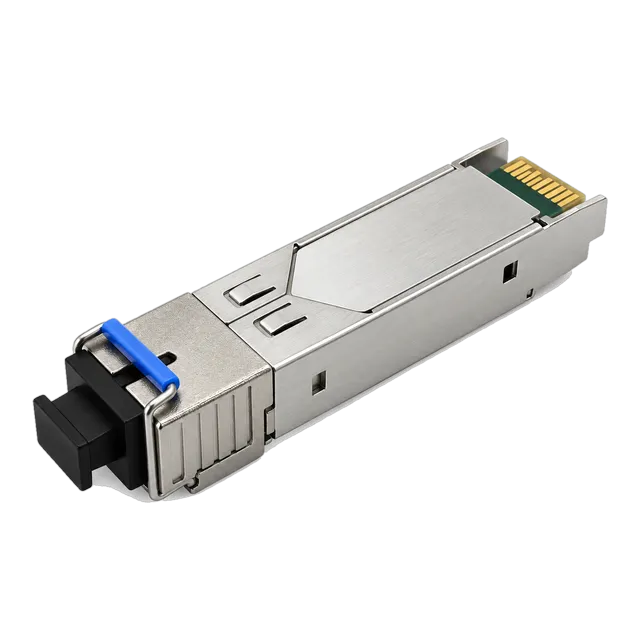
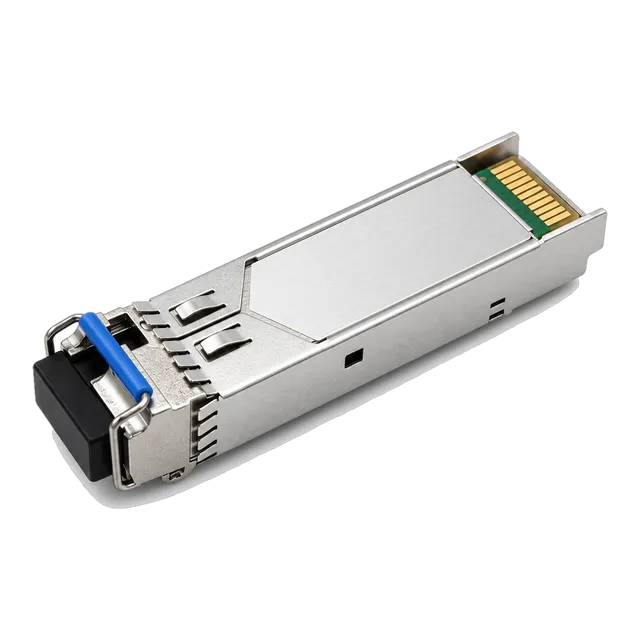
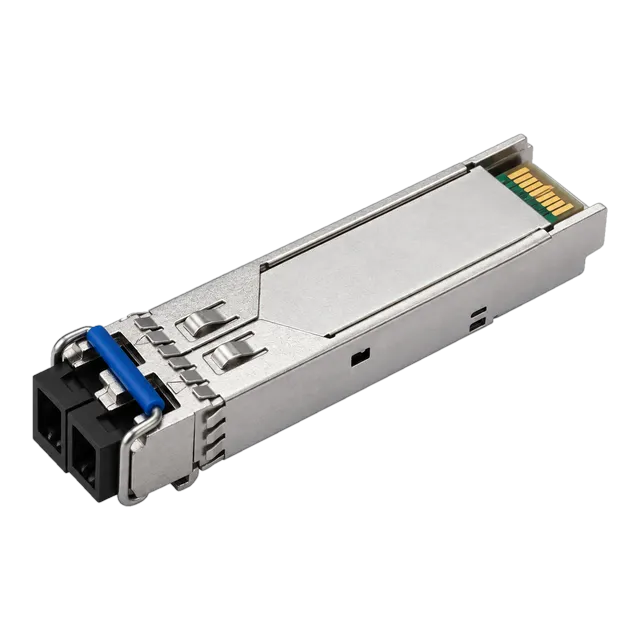
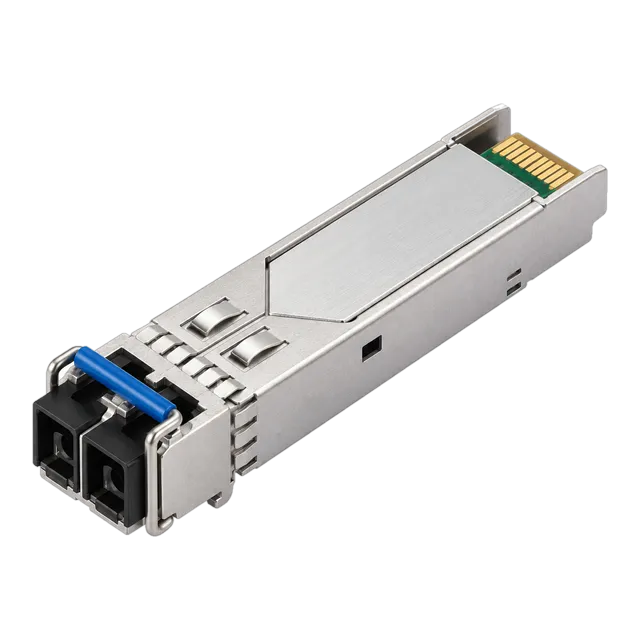
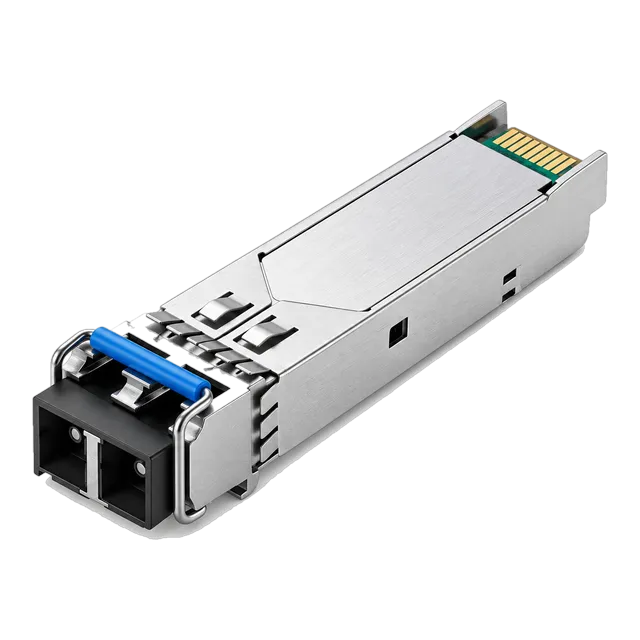
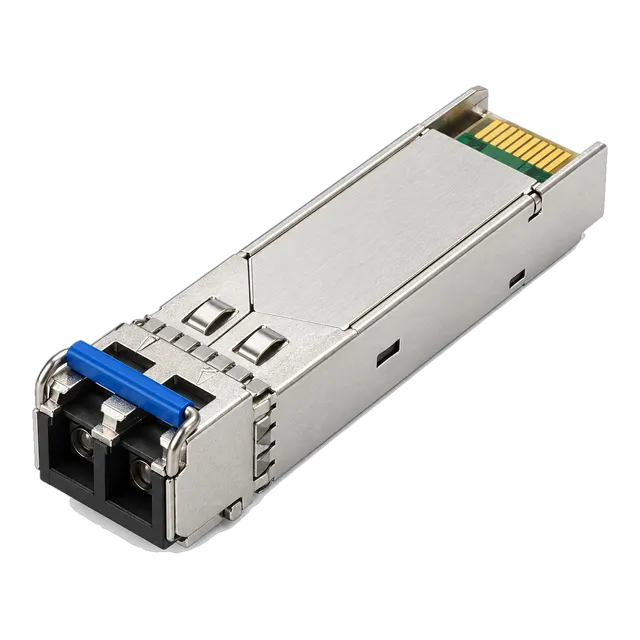
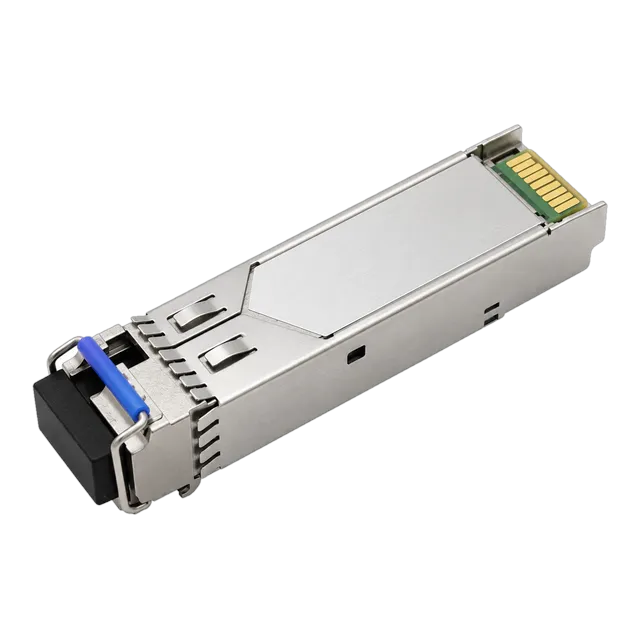
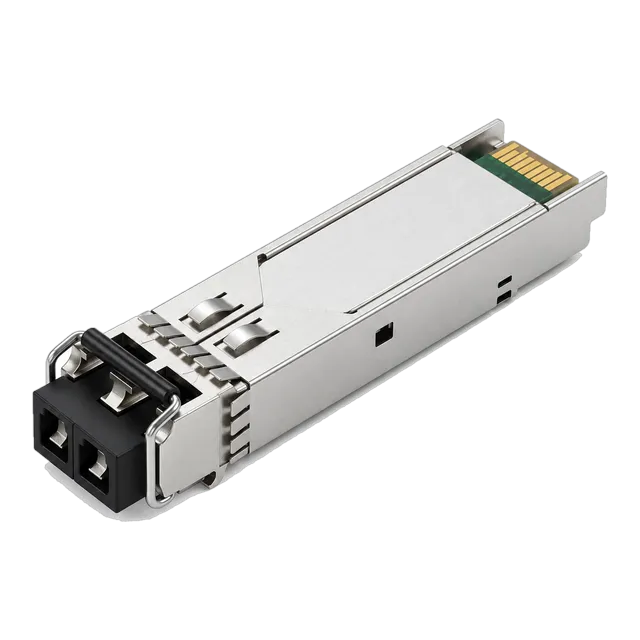
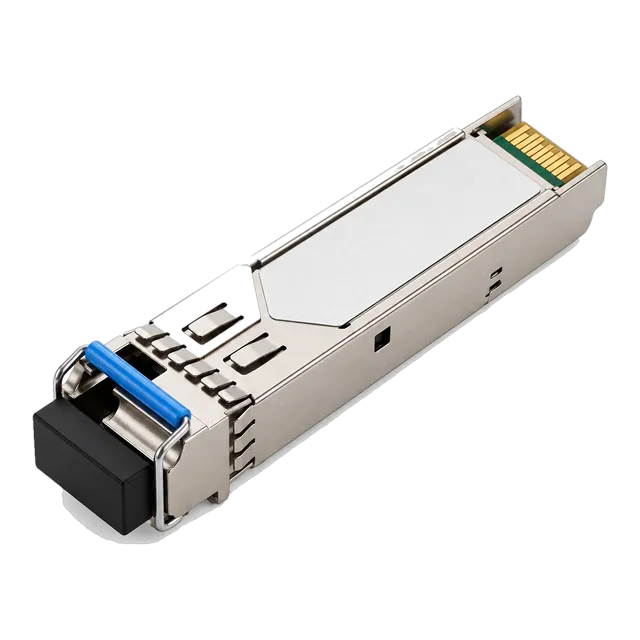
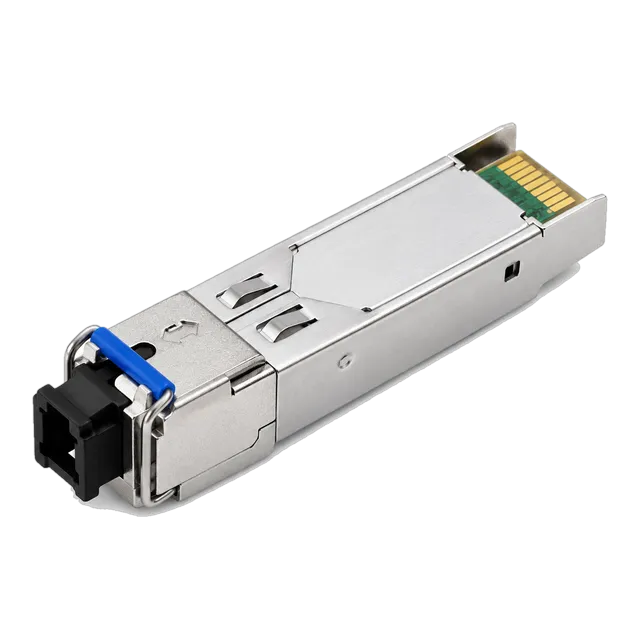
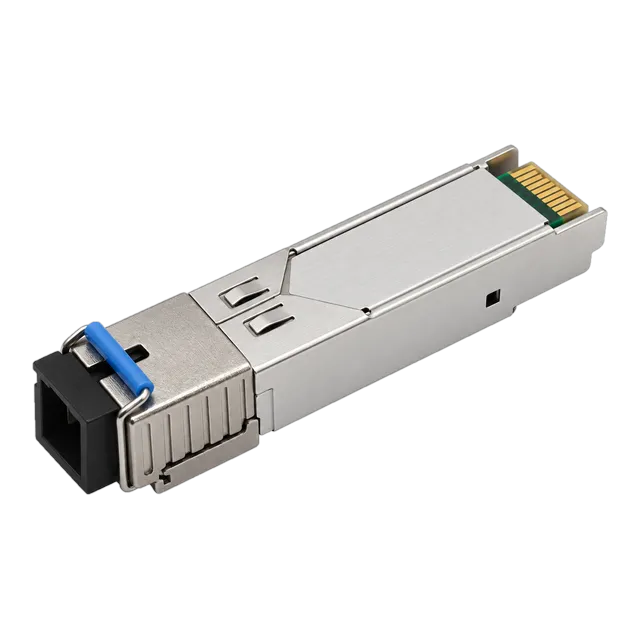
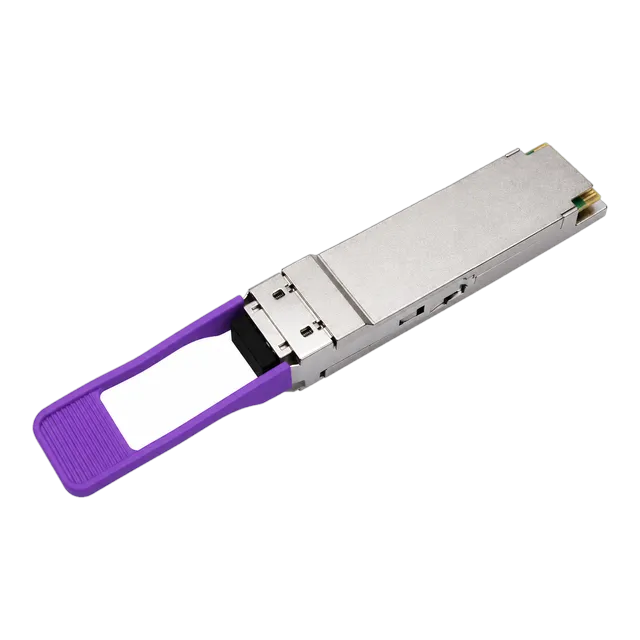
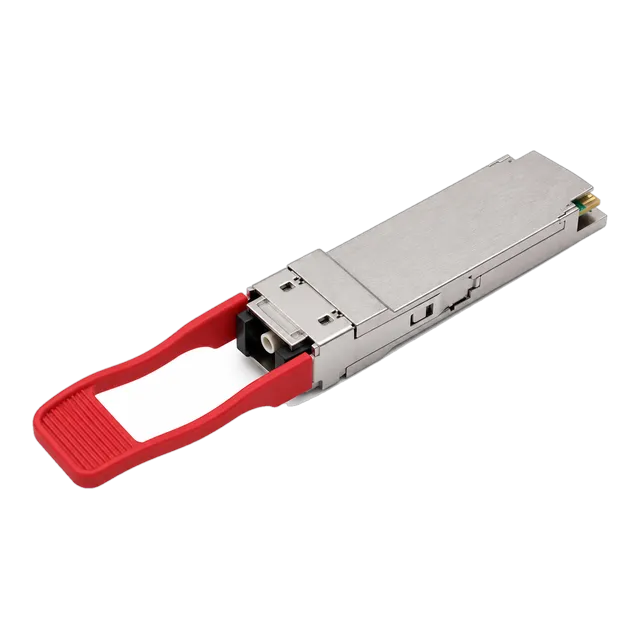
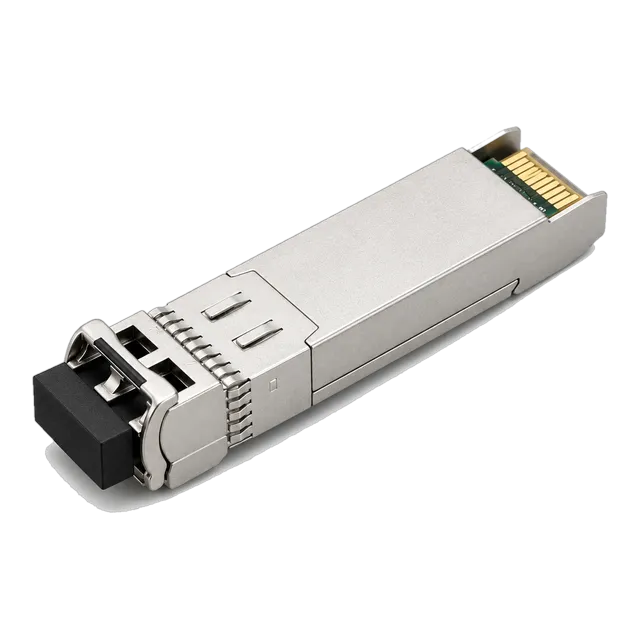
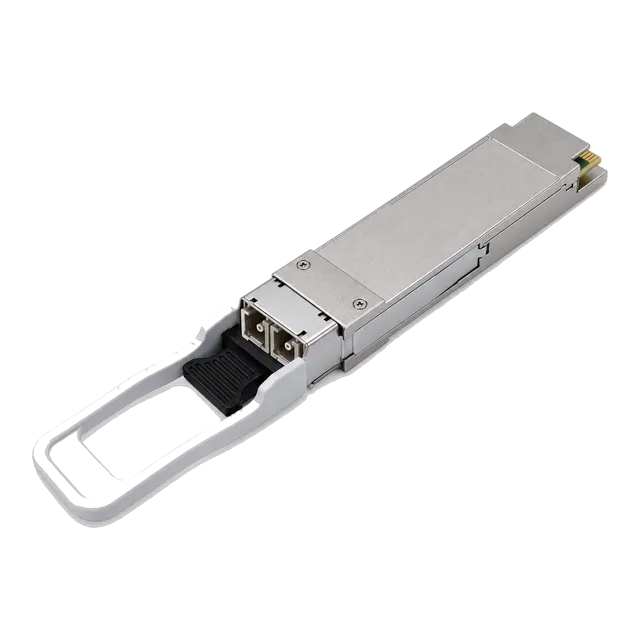
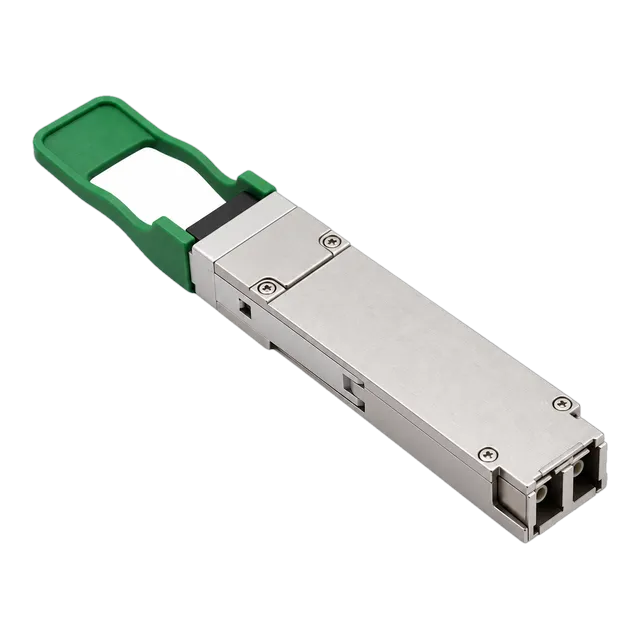
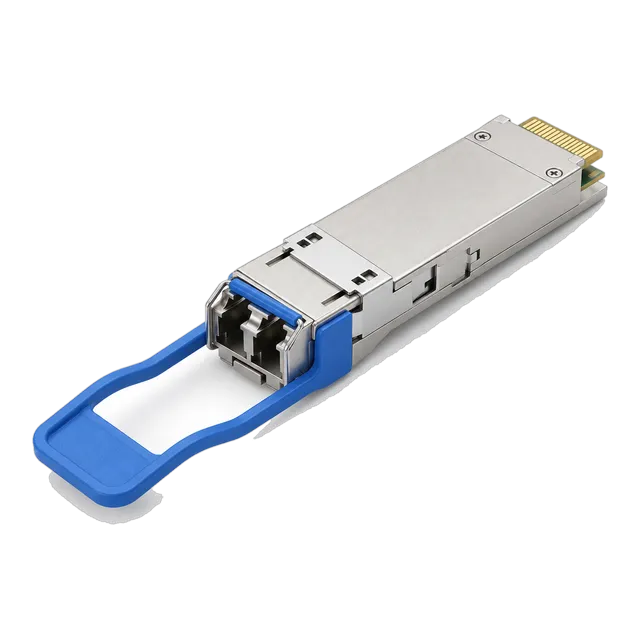
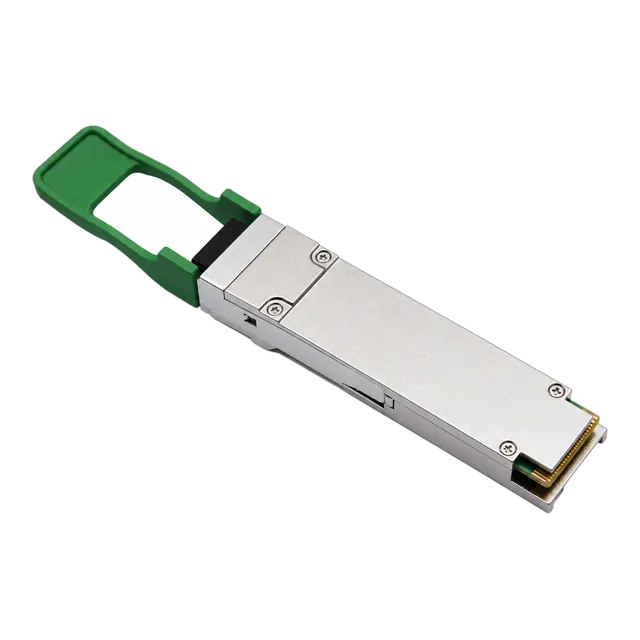
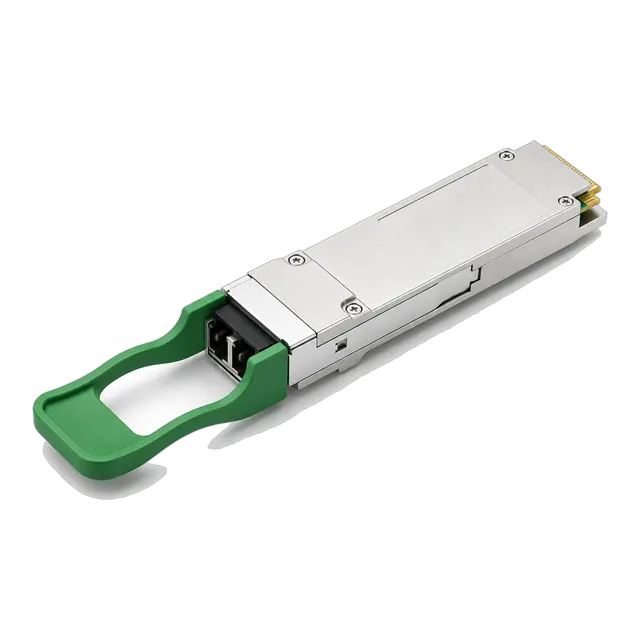
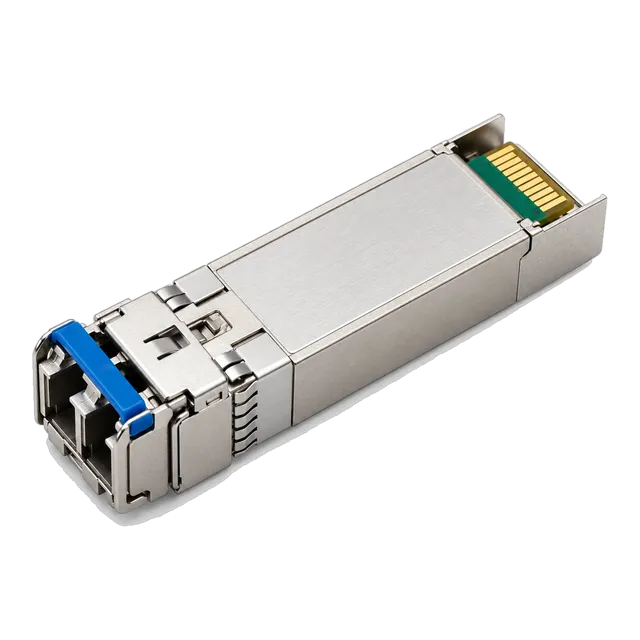
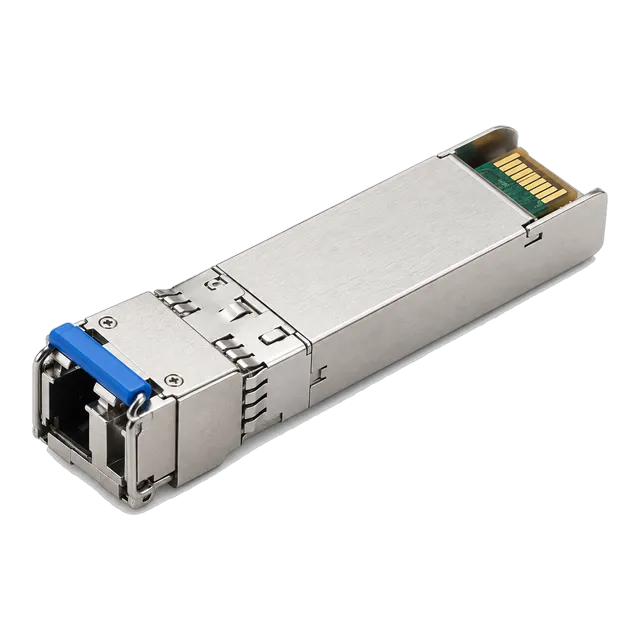
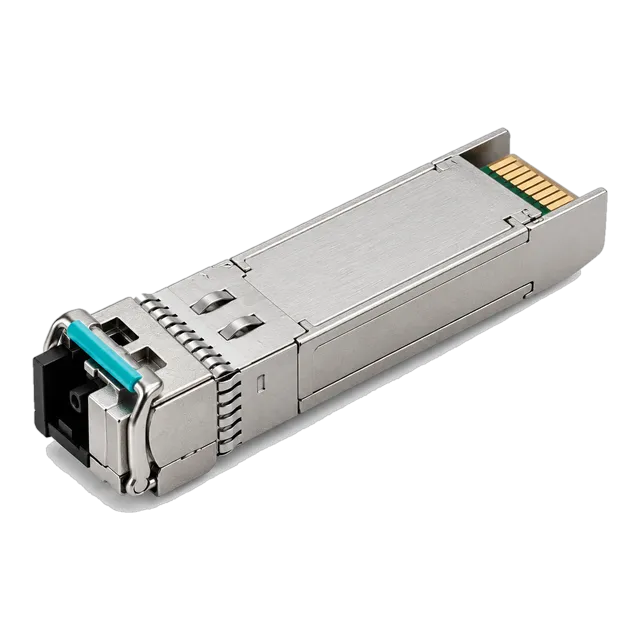
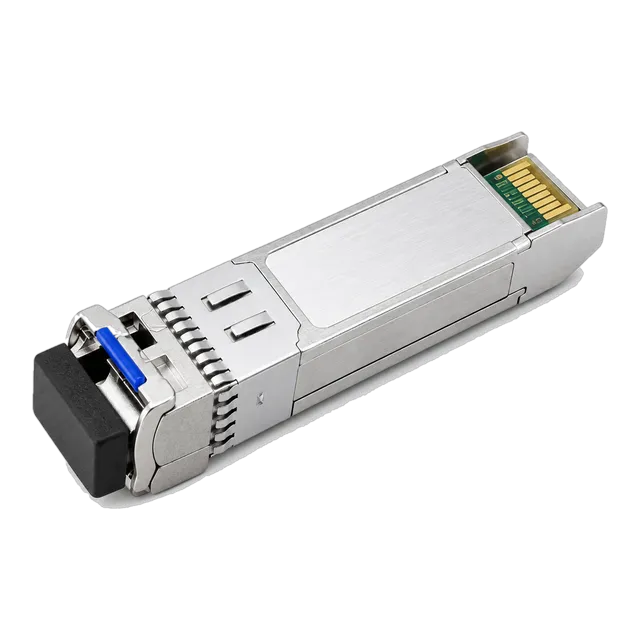
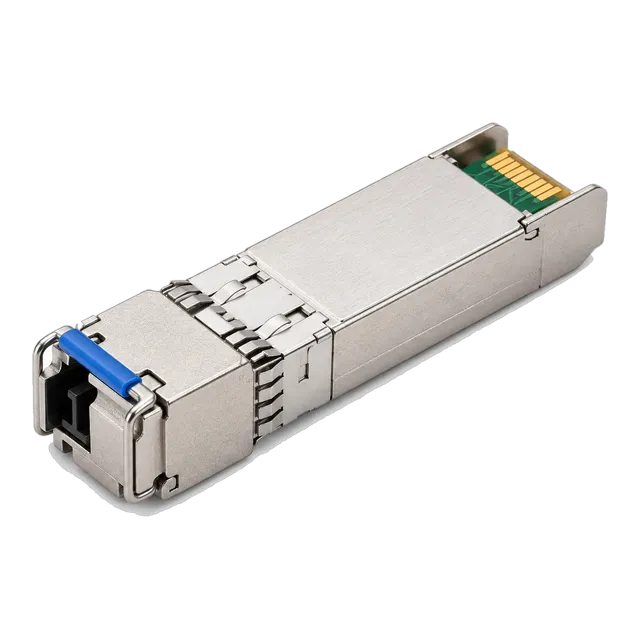
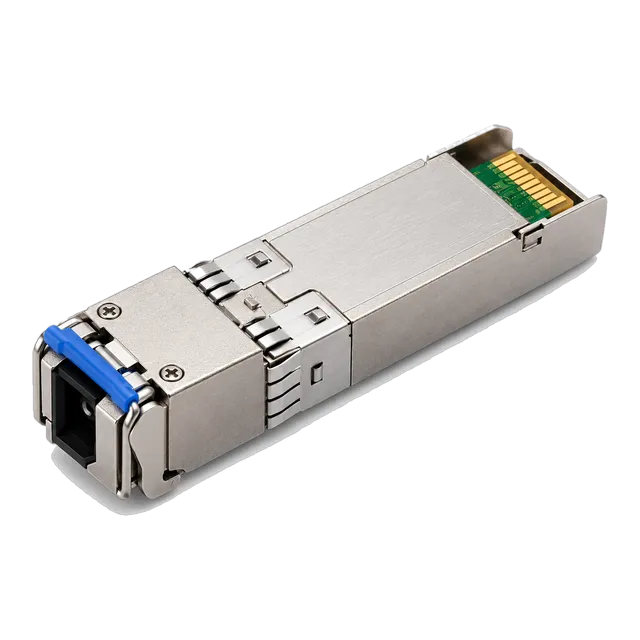
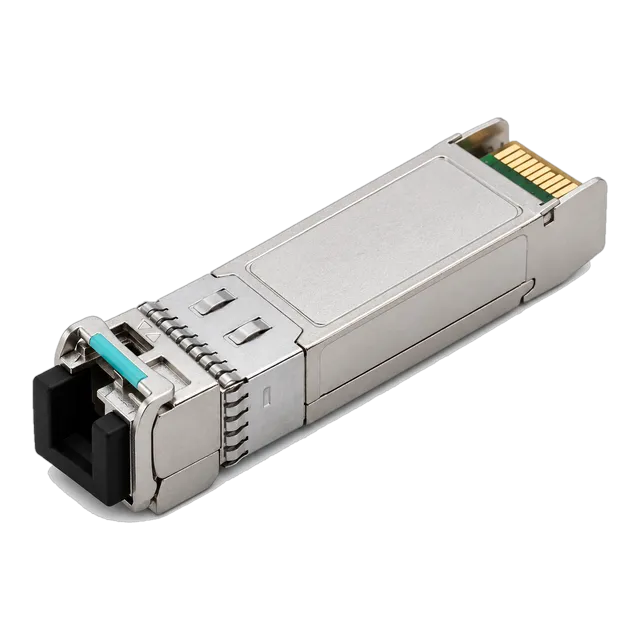
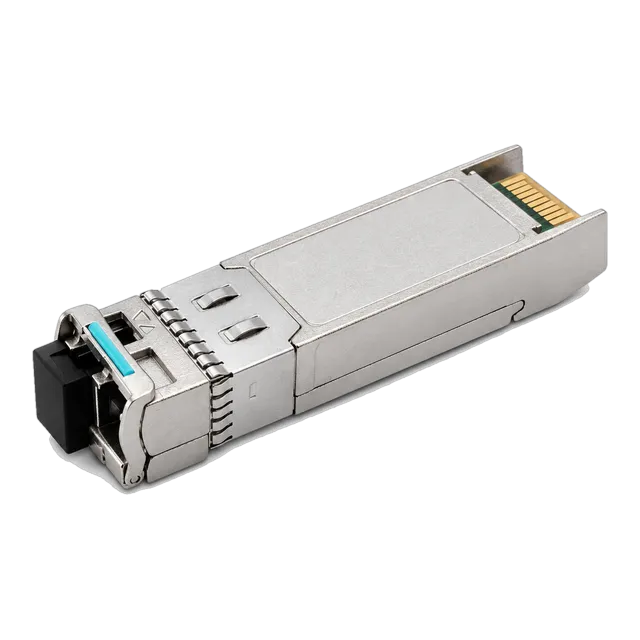
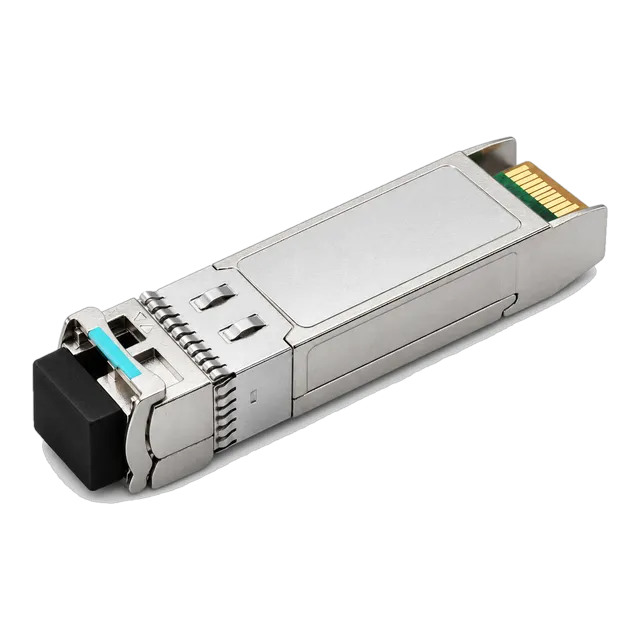
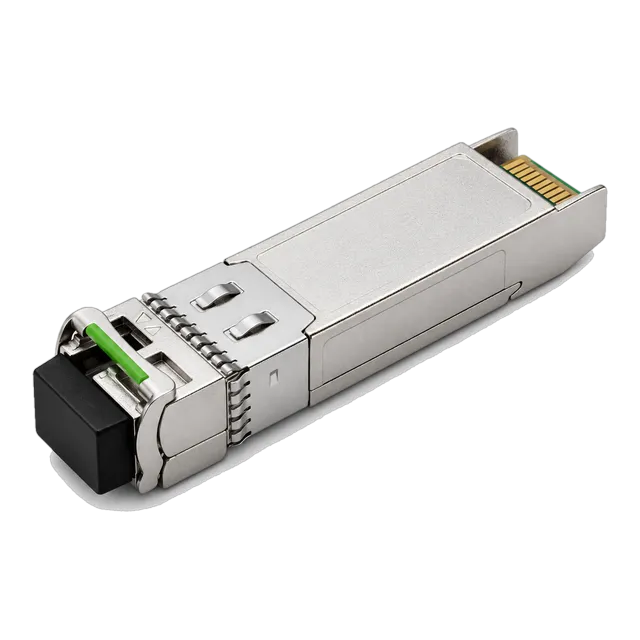
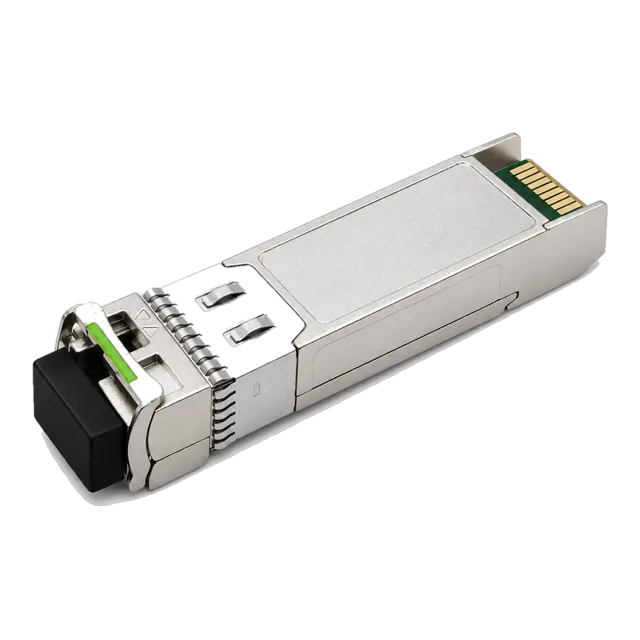
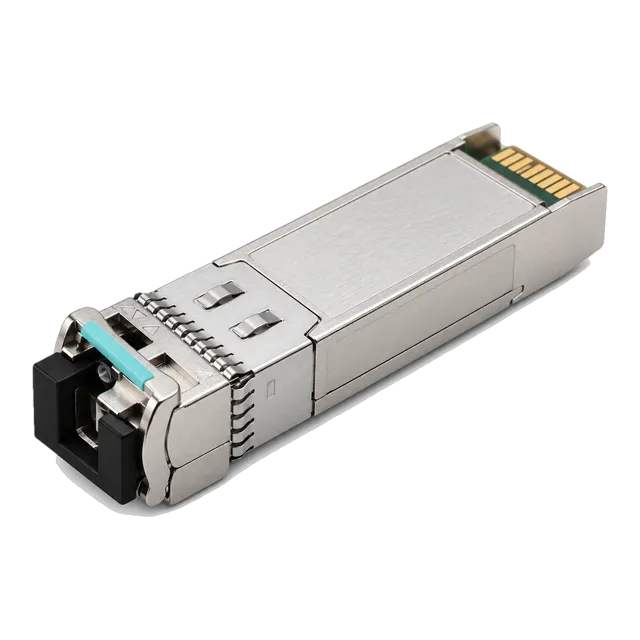
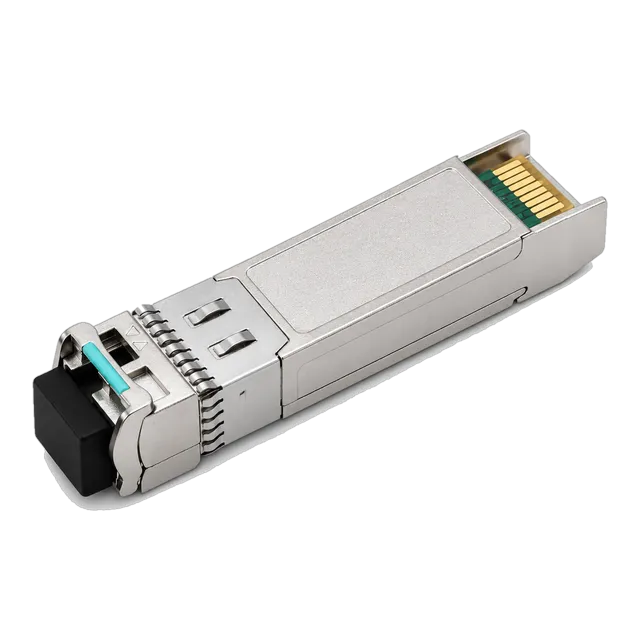
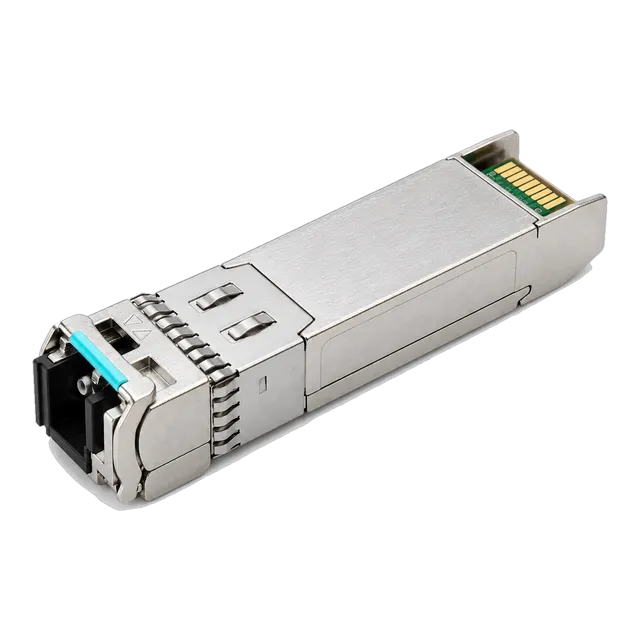
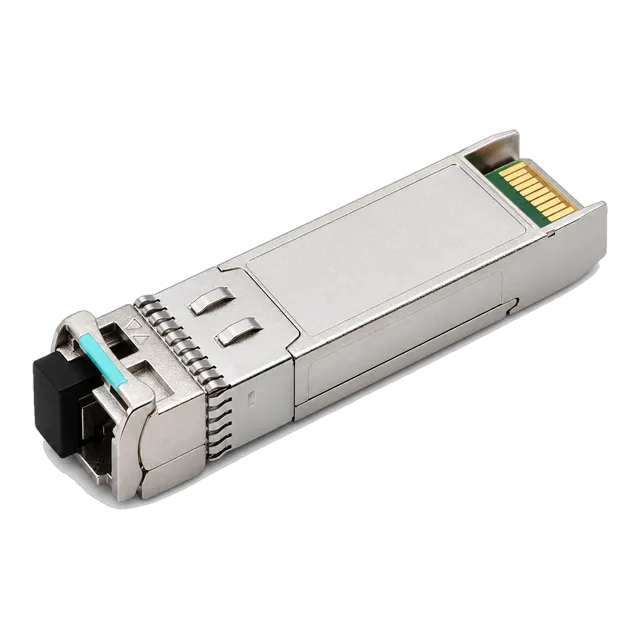
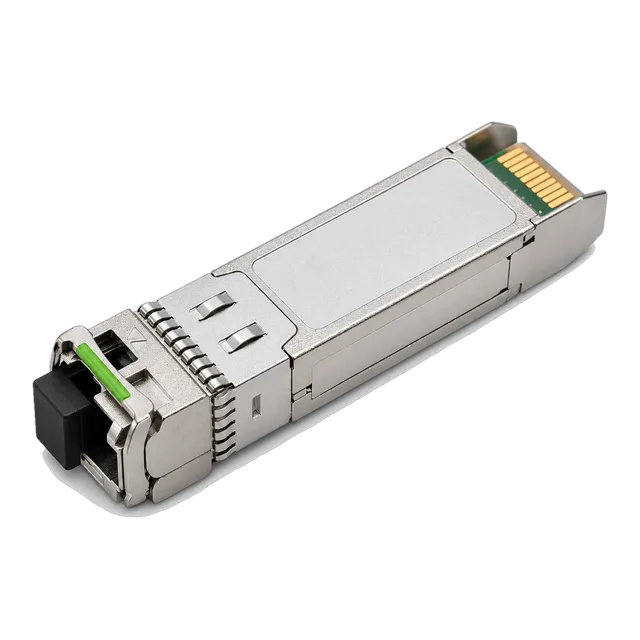
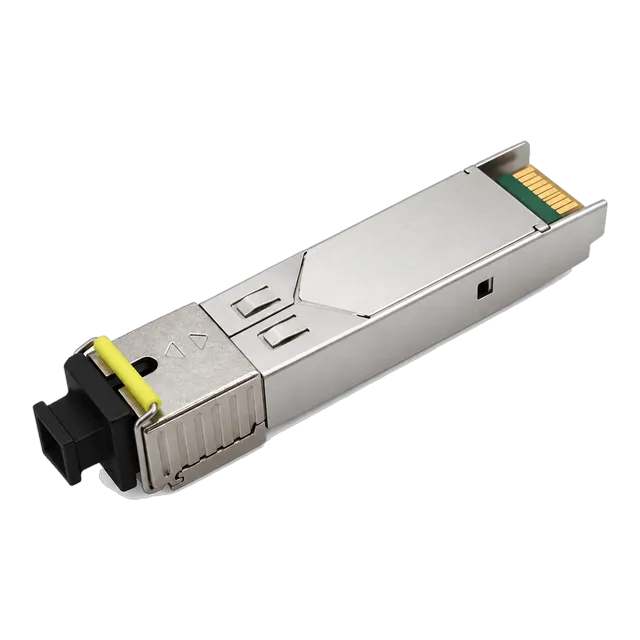
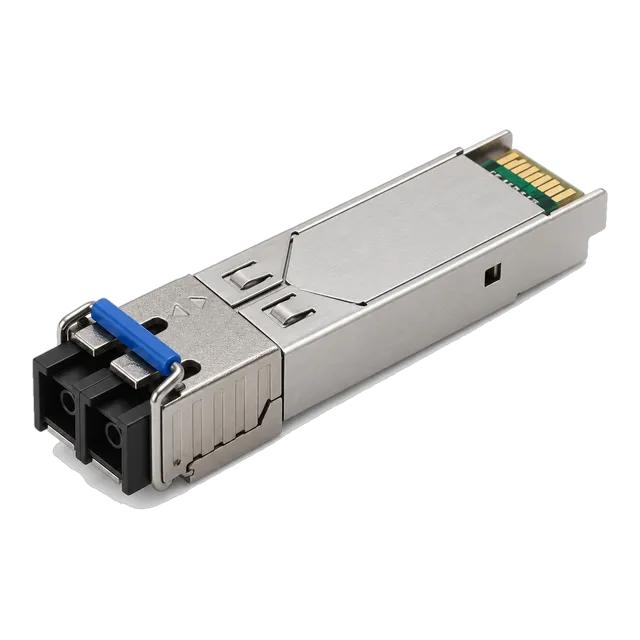
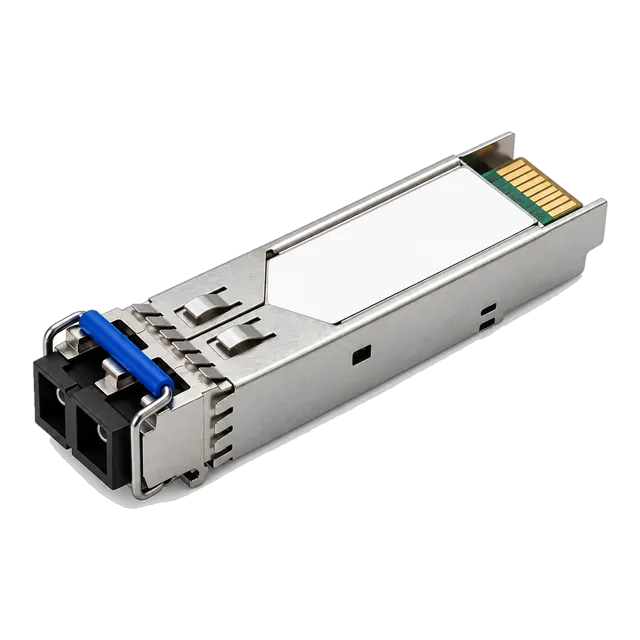
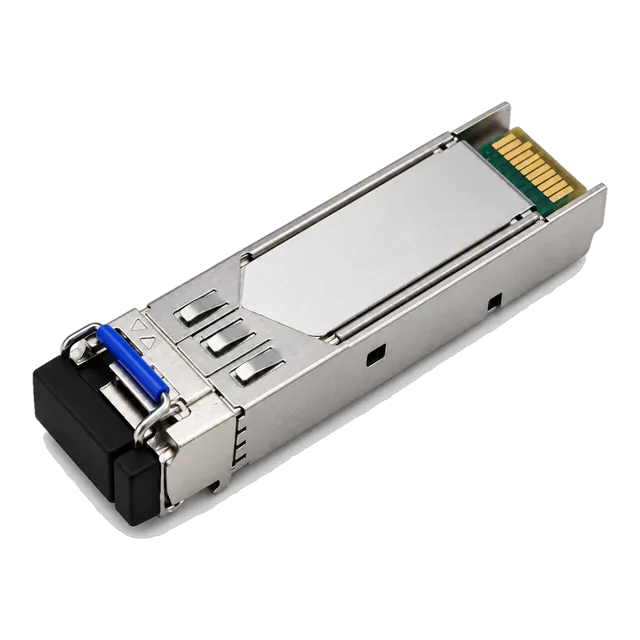
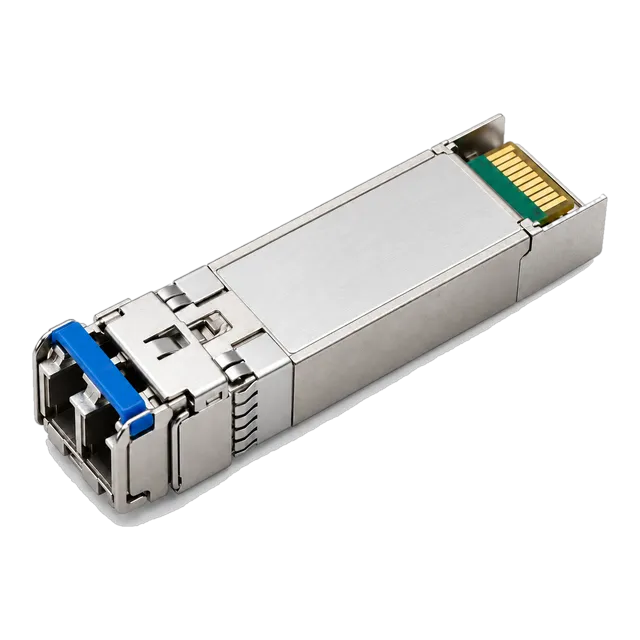
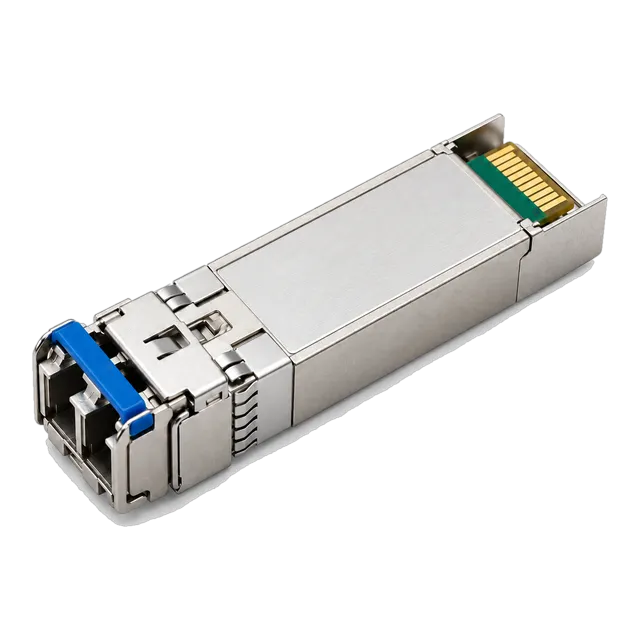
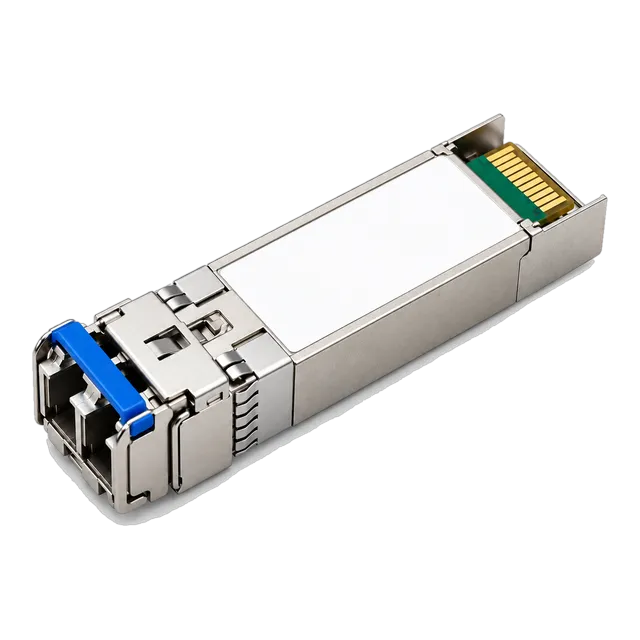
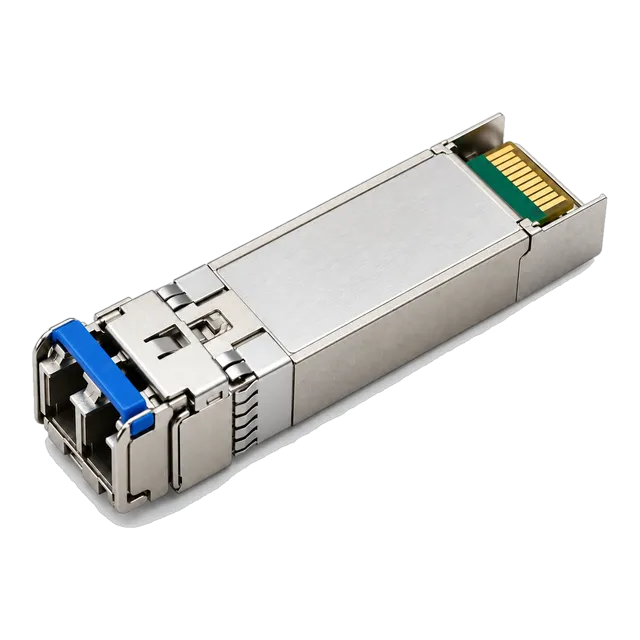
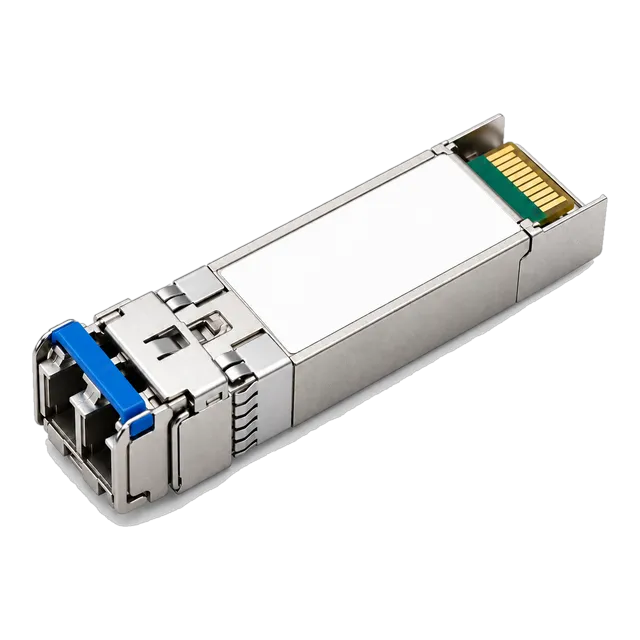
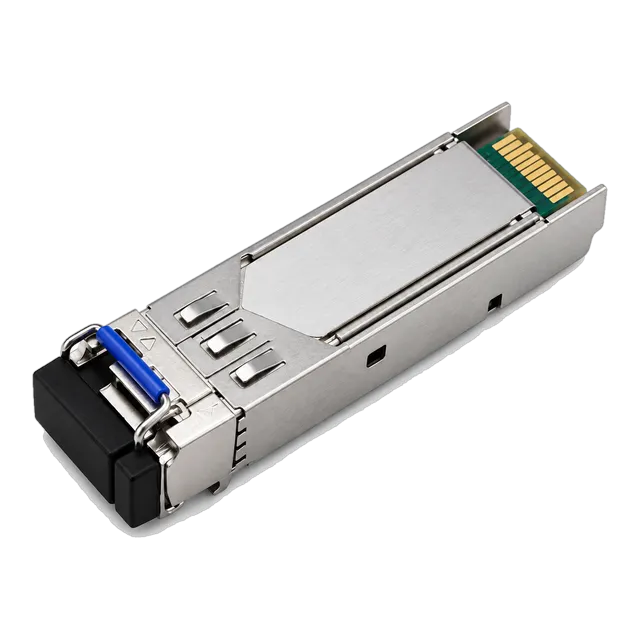
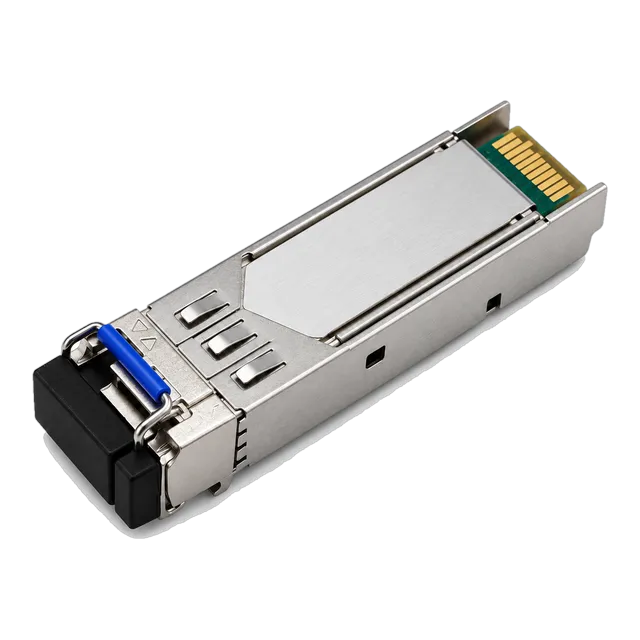
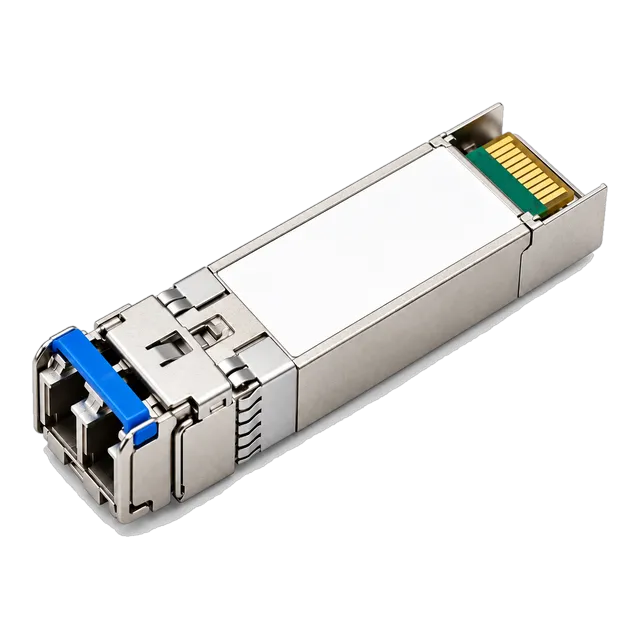
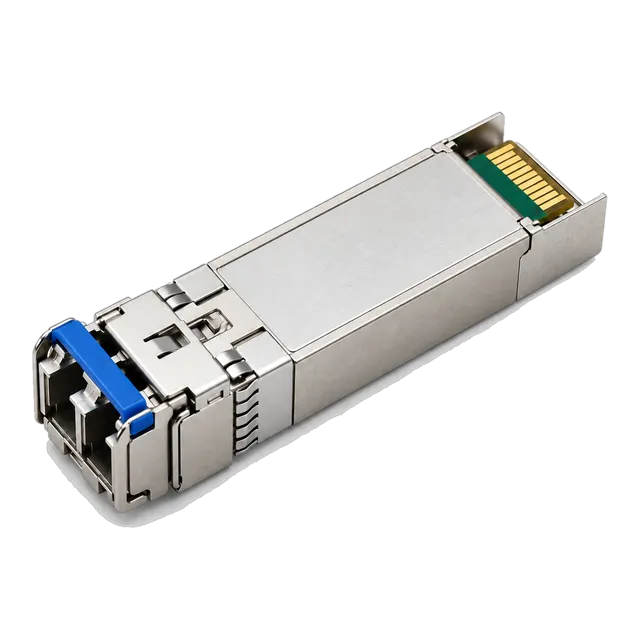
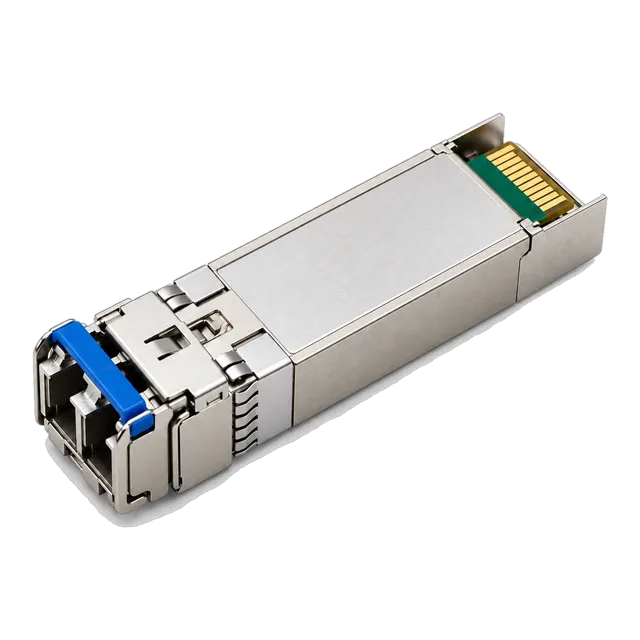
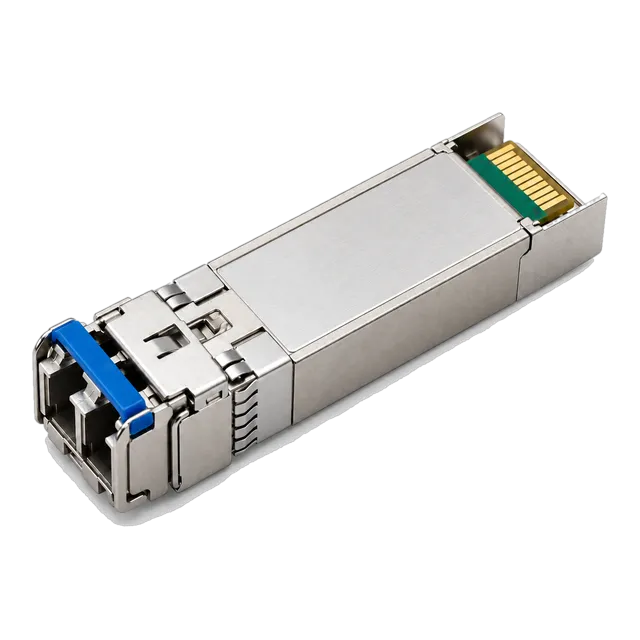
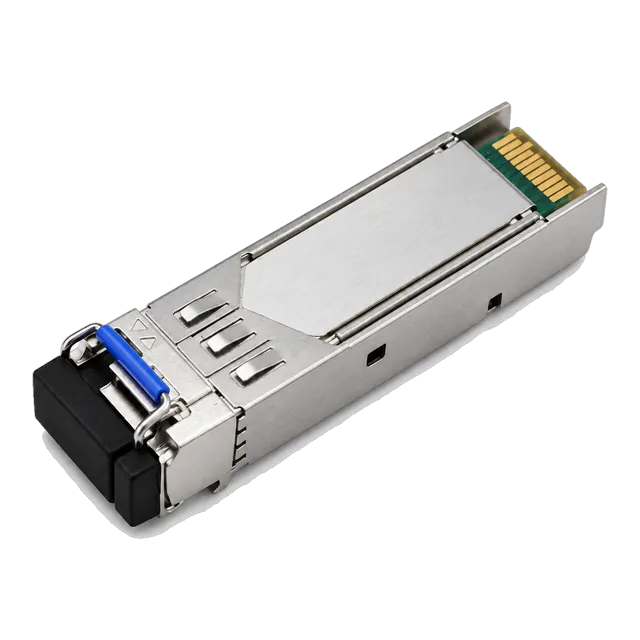
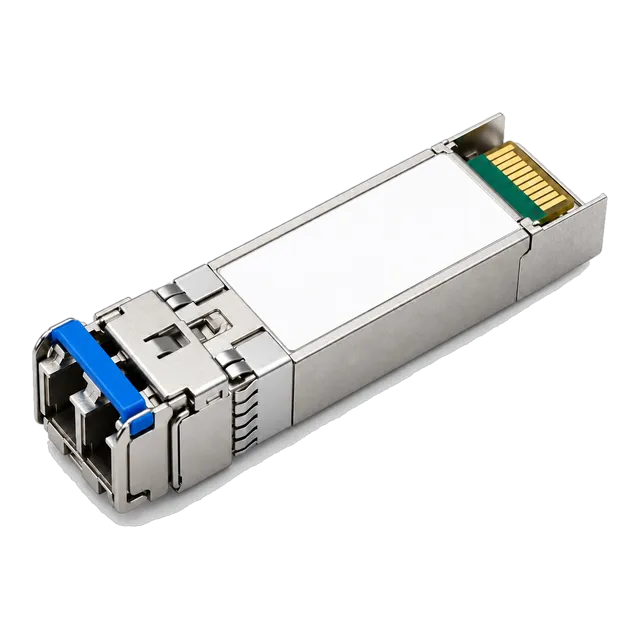
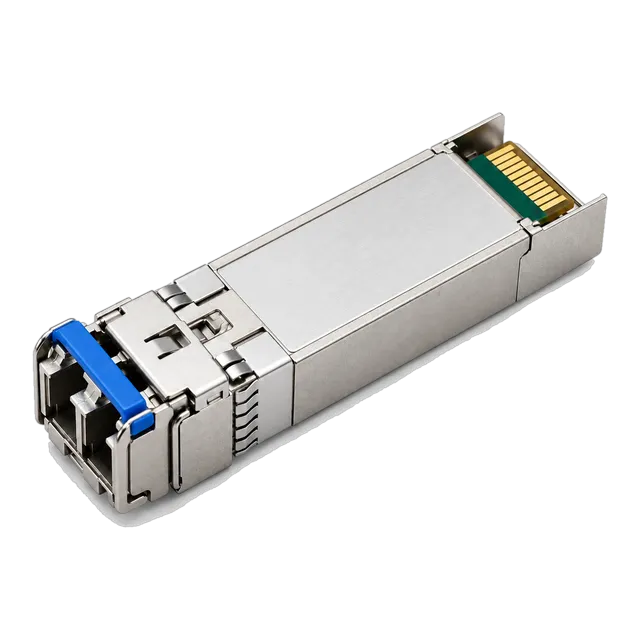
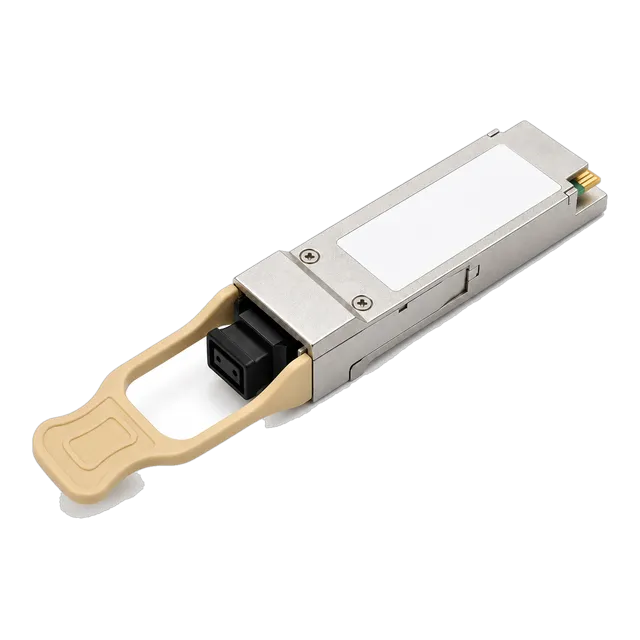
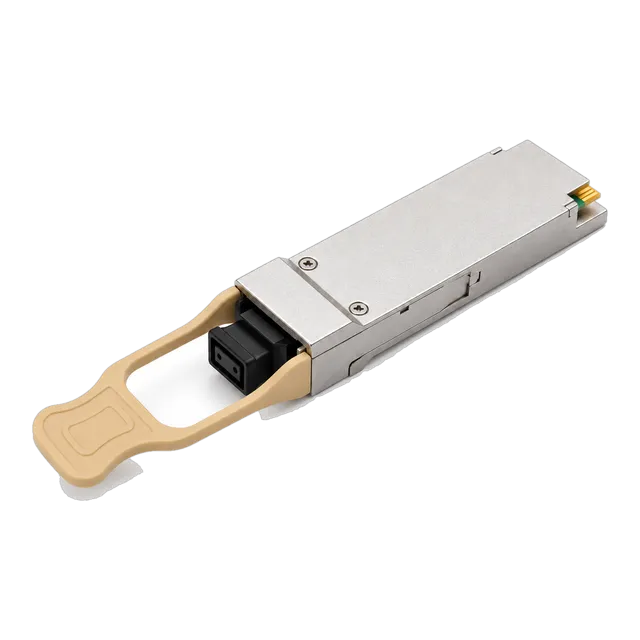
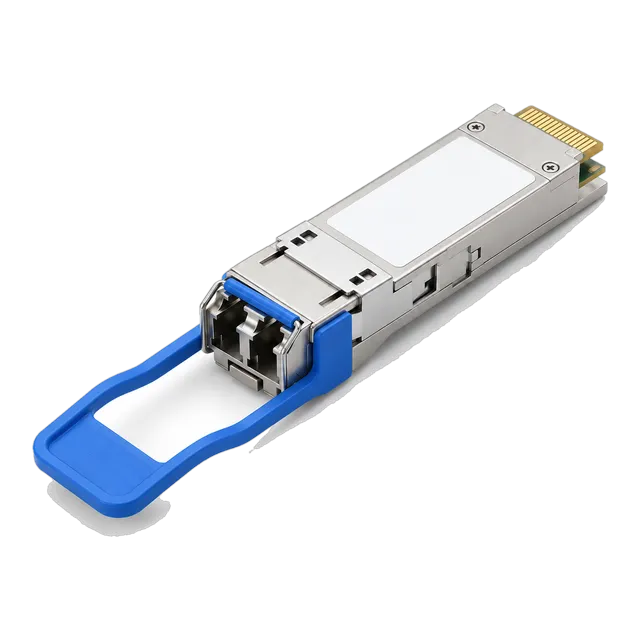
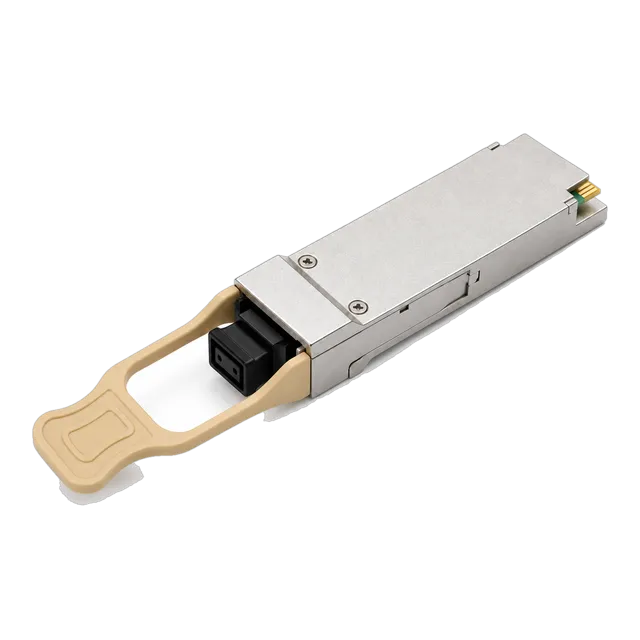
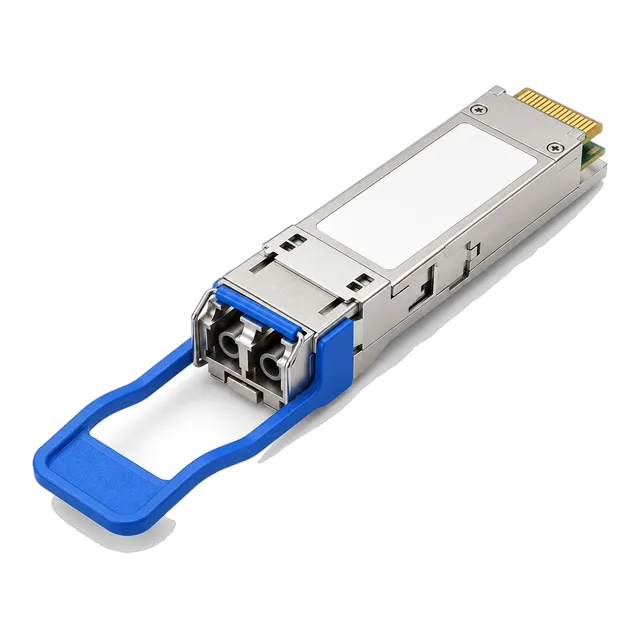
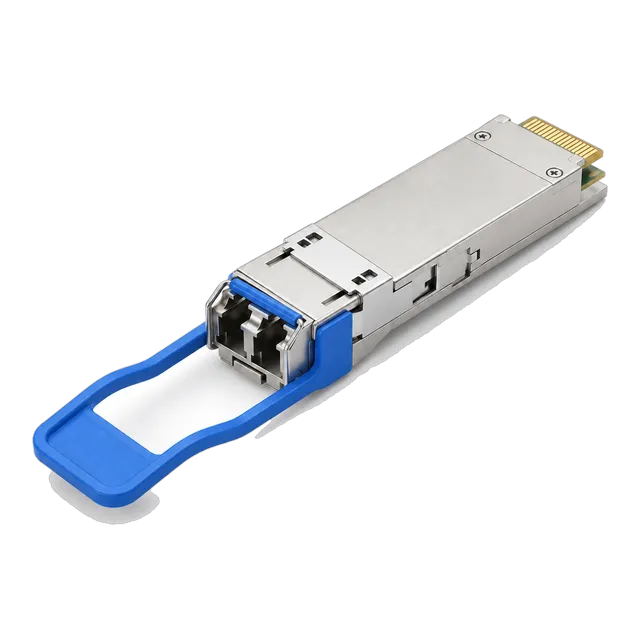
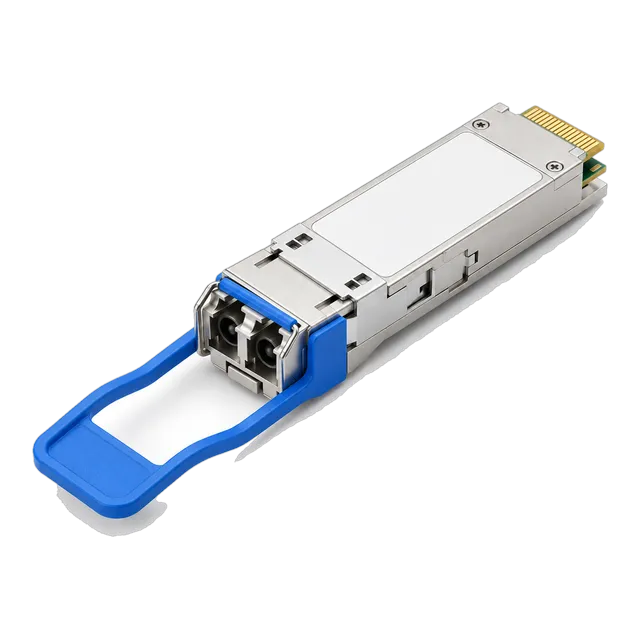
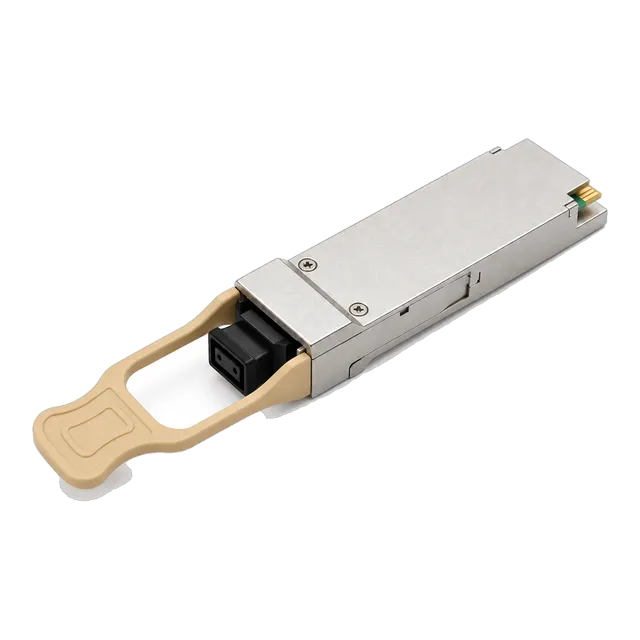
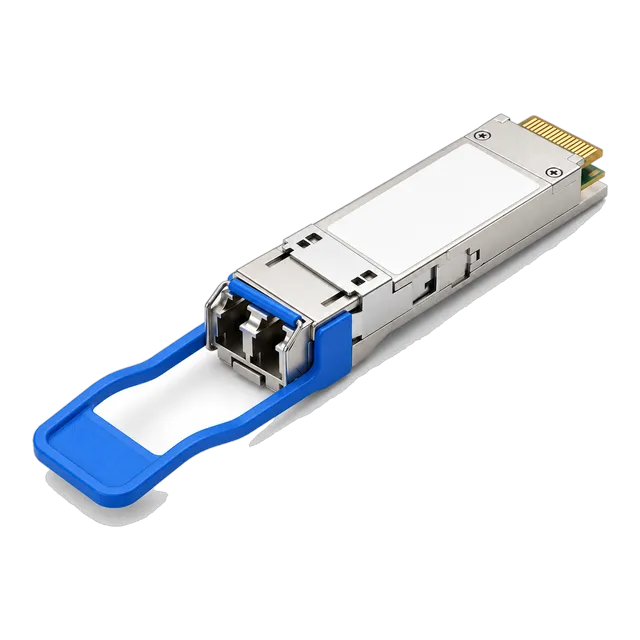
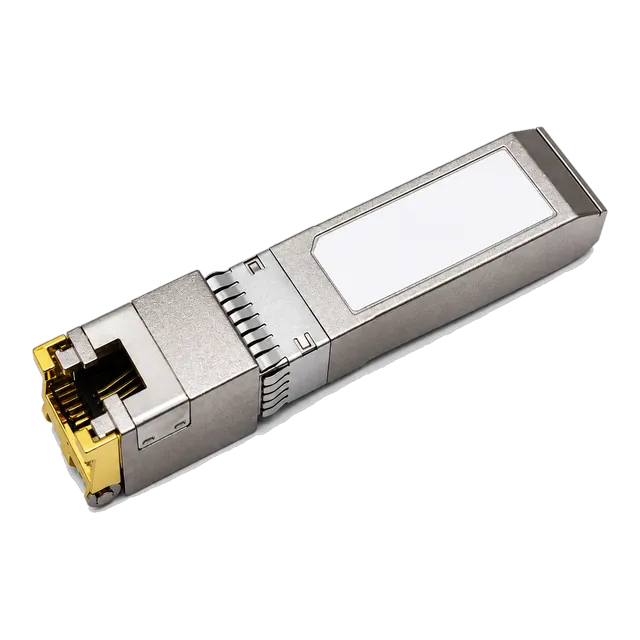
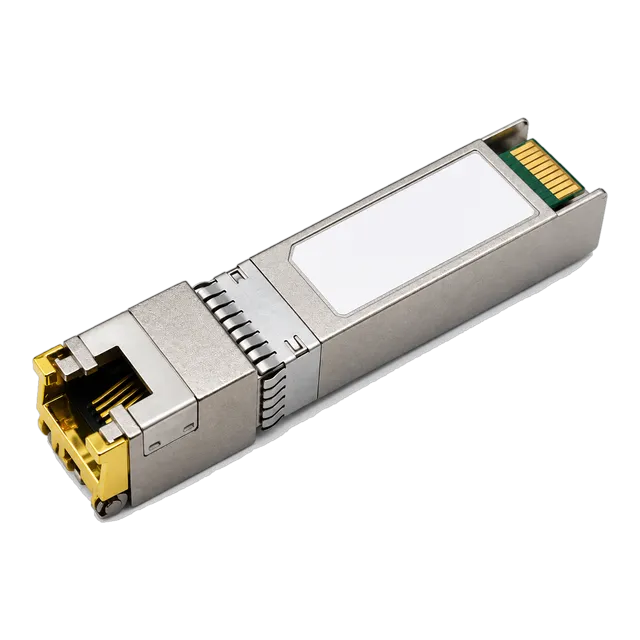
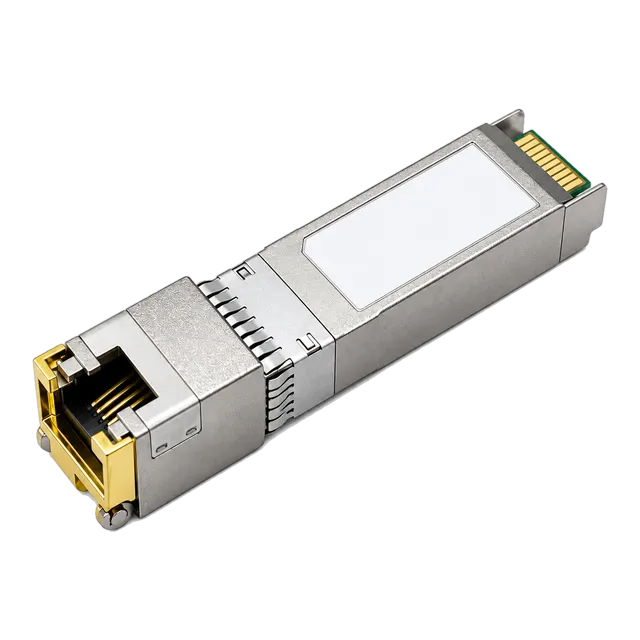
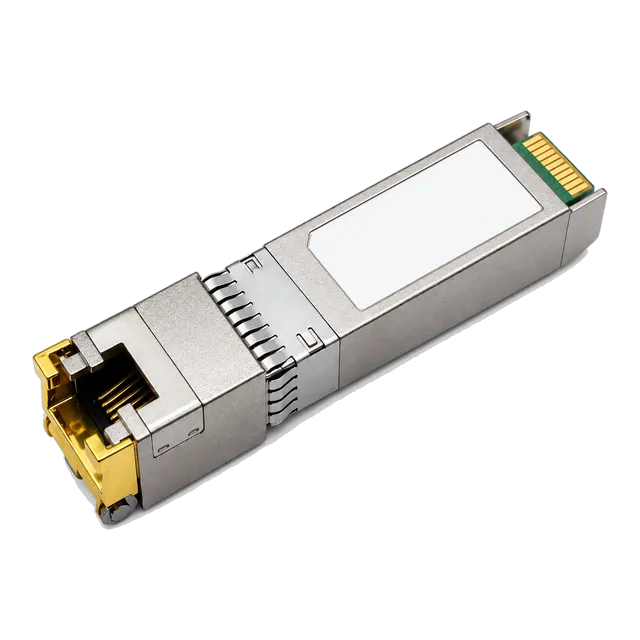
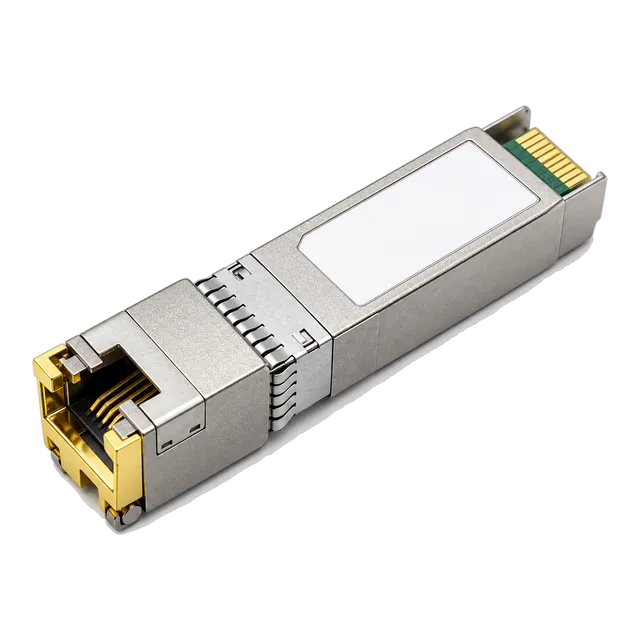
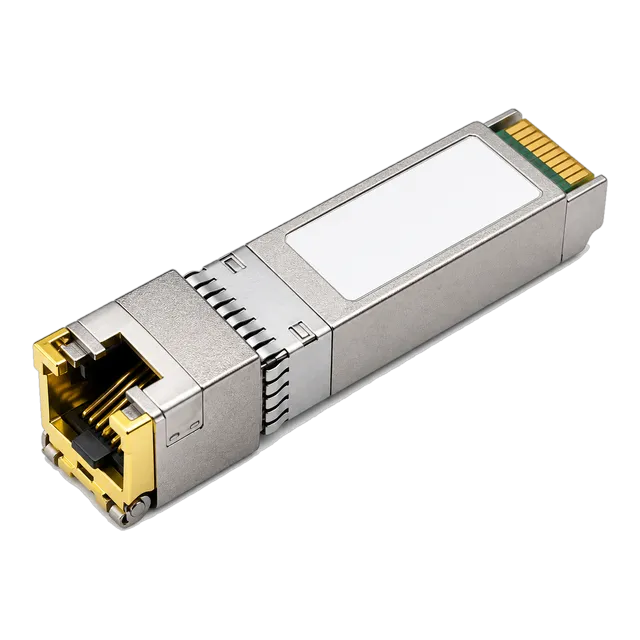
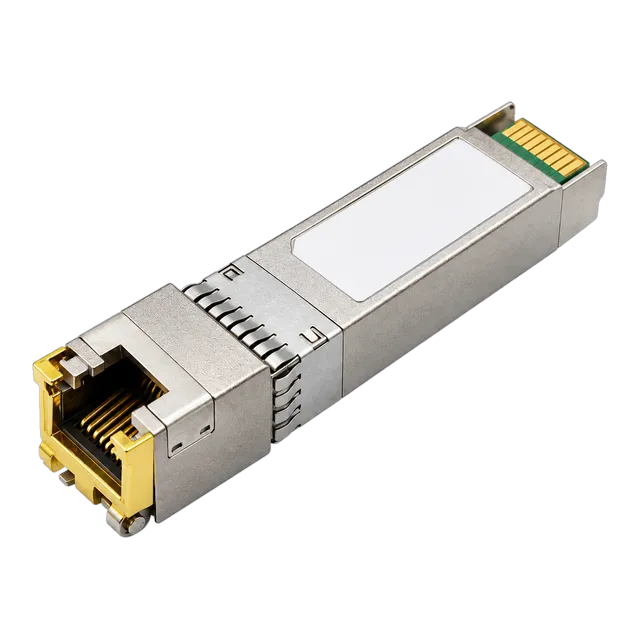
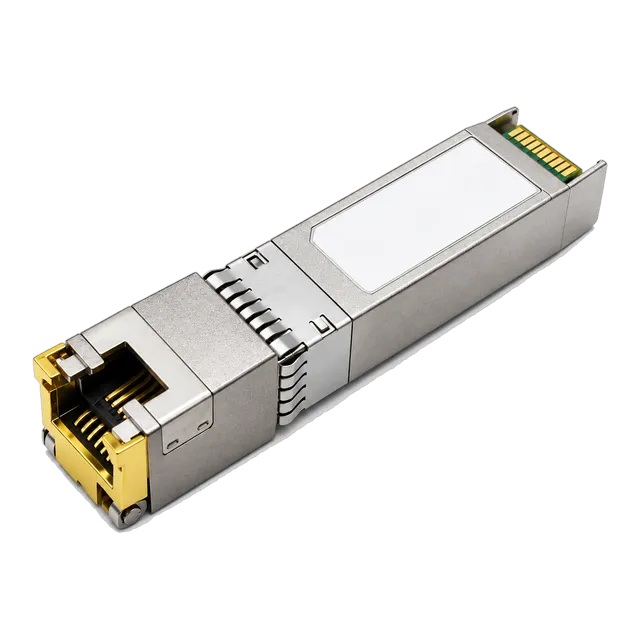
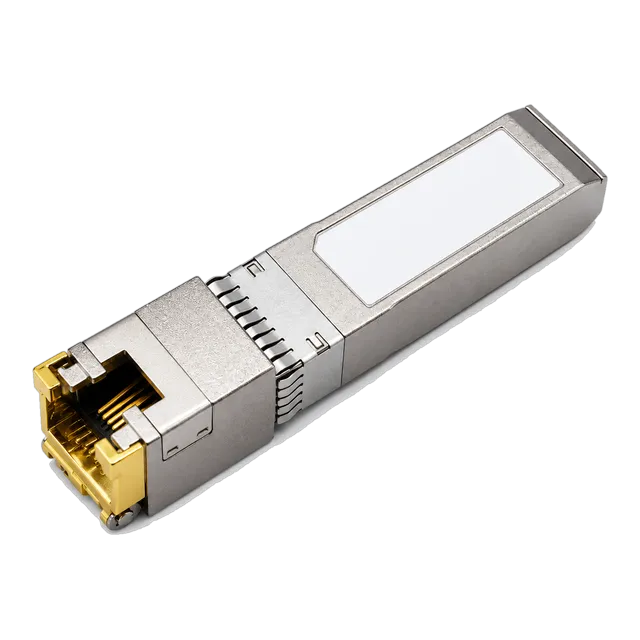
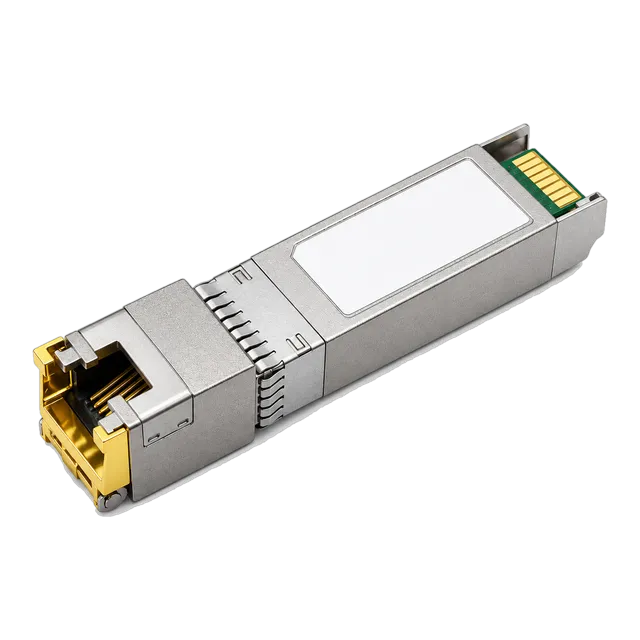
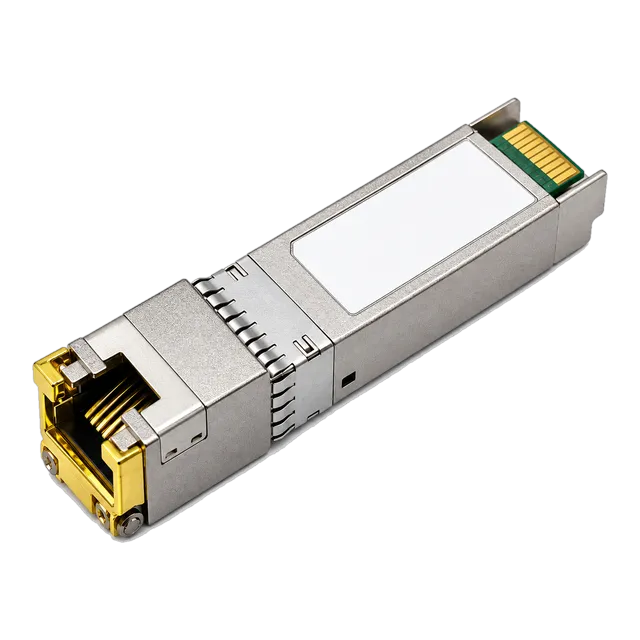
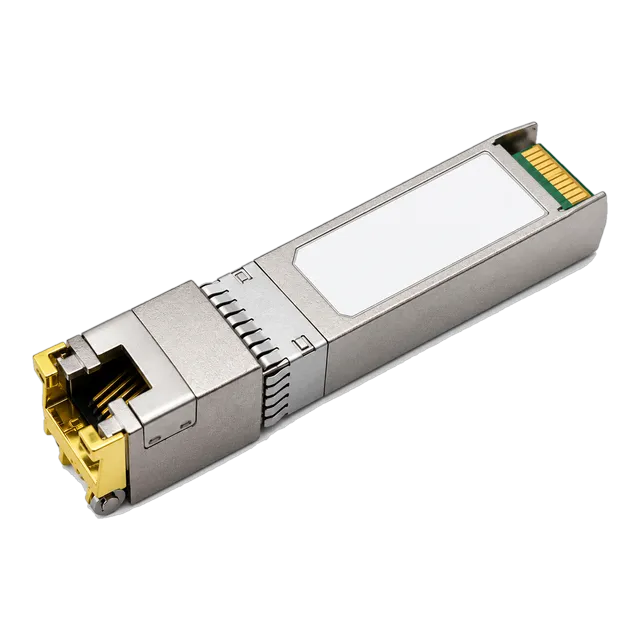
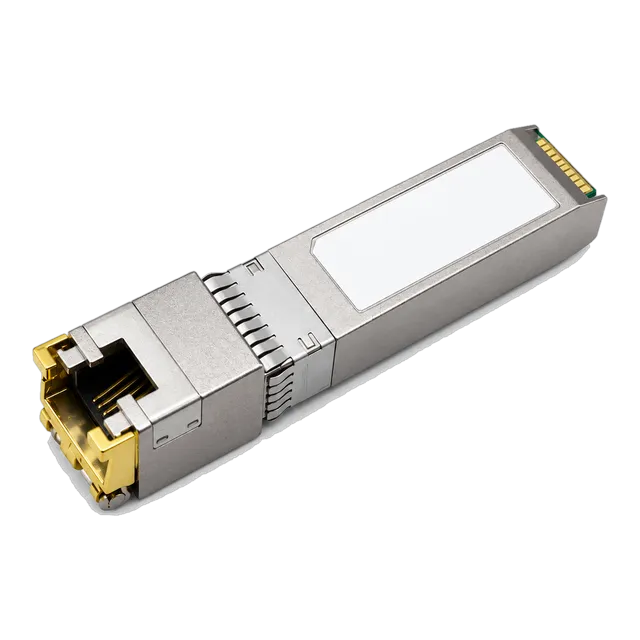
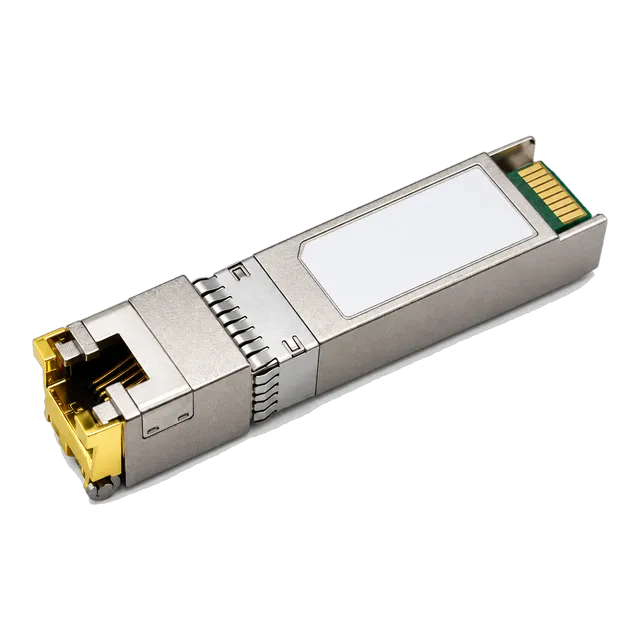
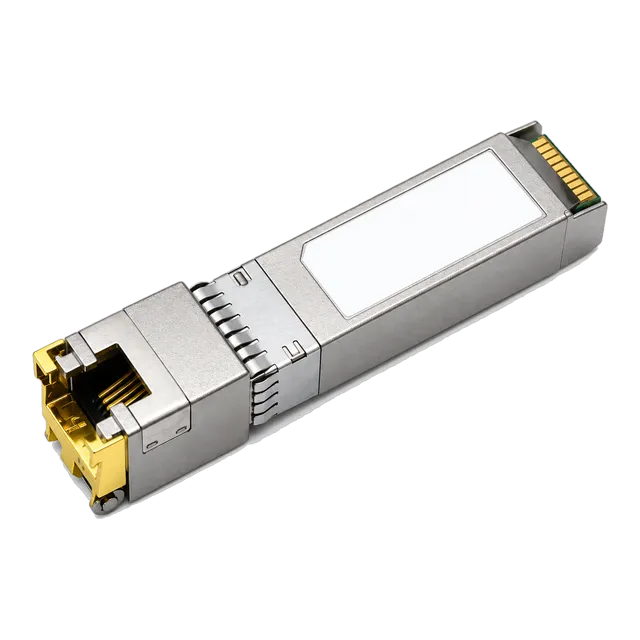
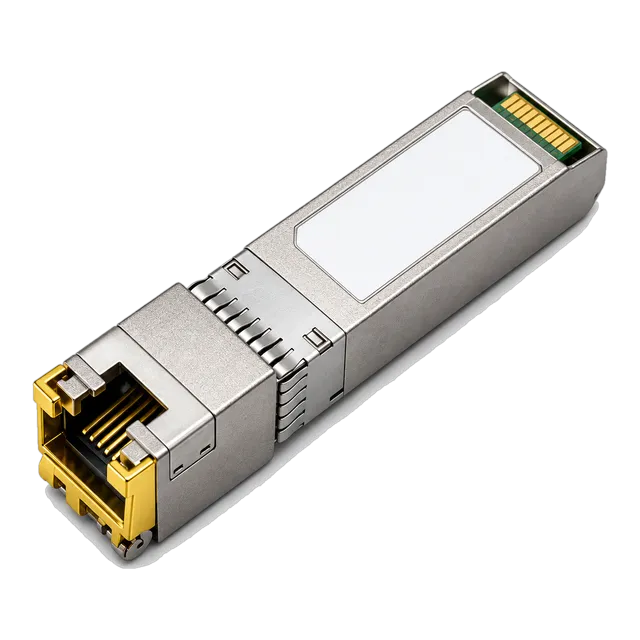
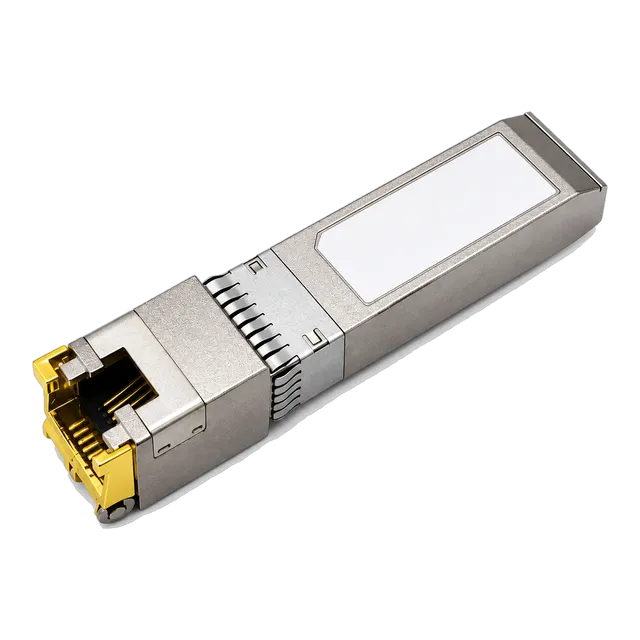
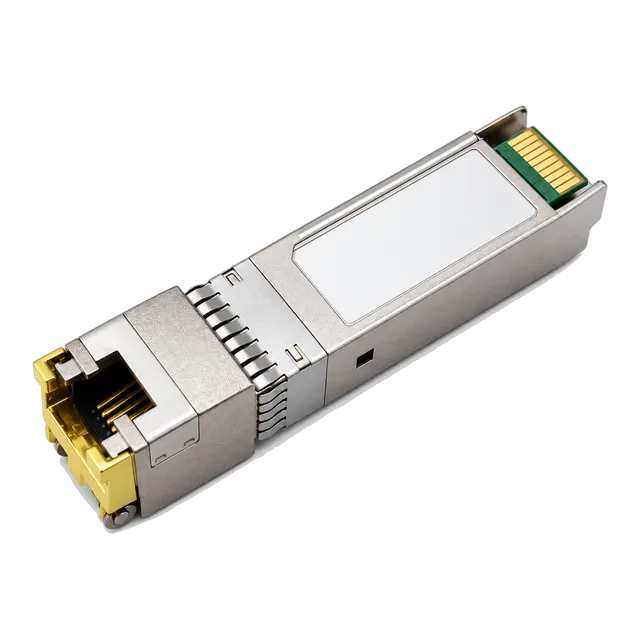
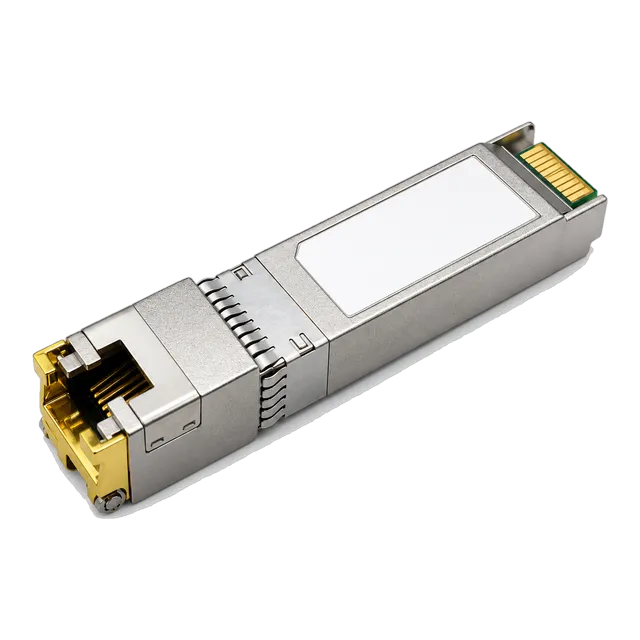
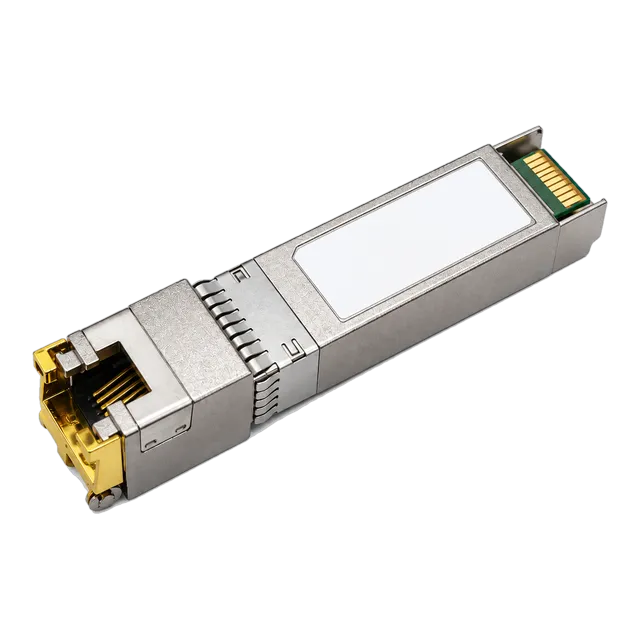
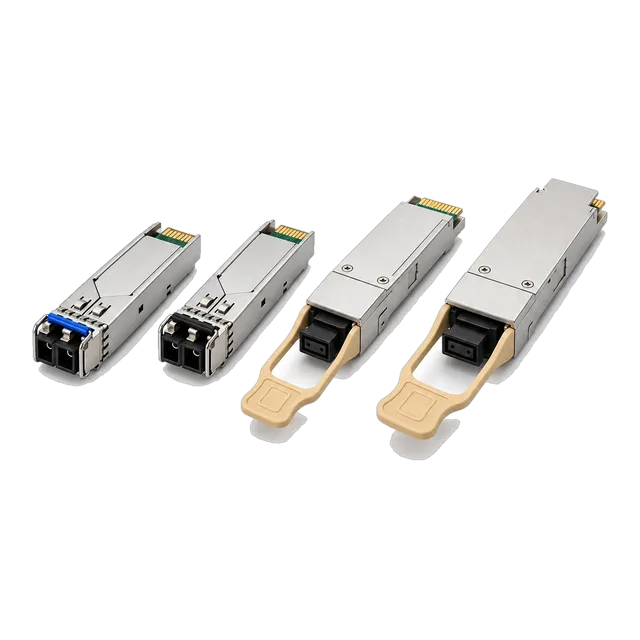
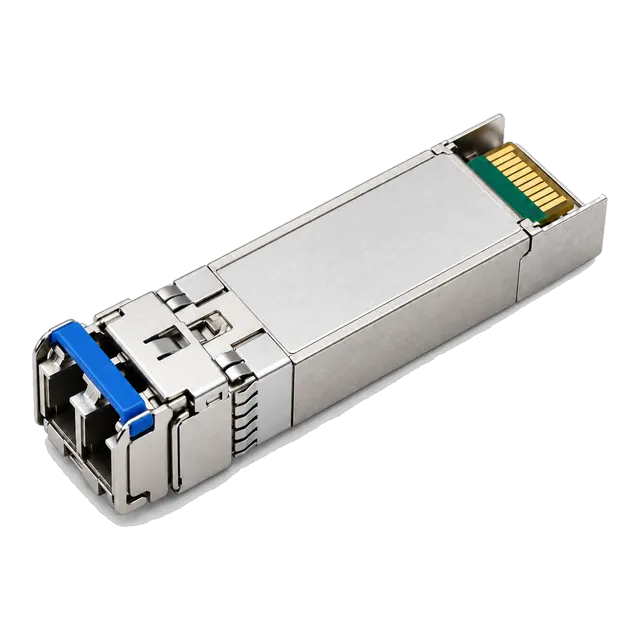
1.25G BiDi Single-Fiber SFP Transceiver 1310nm/1550nm 20km
- Data Rate1.25 Gb/s
- Wavelength1310nm / 1550nm (WDM, single fiber BiDi)
- Transmission Distance20 km (series 3–120 km)


Catalogue
116 products across 12 families. Filter by data rate, form factor, media and reach — the results update instantly, nothing is hidden behind pagination.
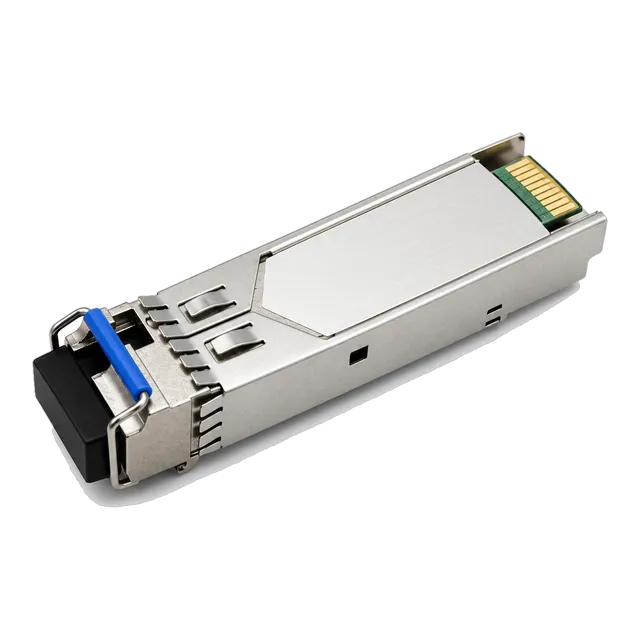 16 models
550 m to 120 km by variant
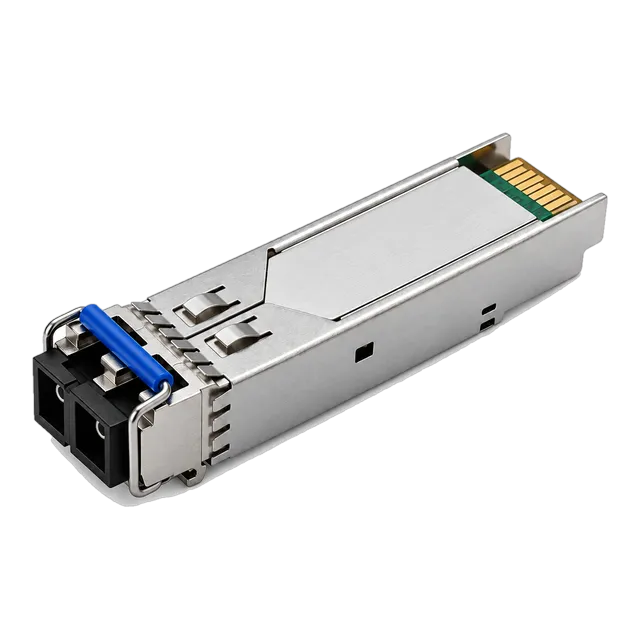 3 models
20 km duplex, up to 120 km BiDi
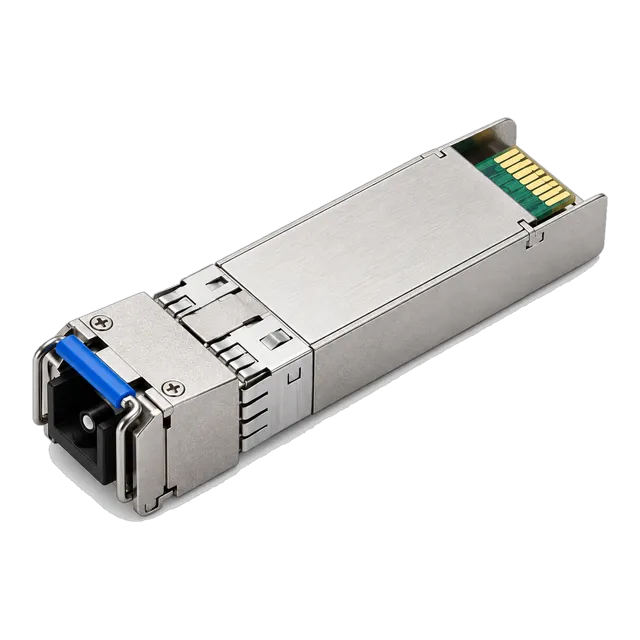 17 models
220 m multimode, 20 km to 100 km single-mode
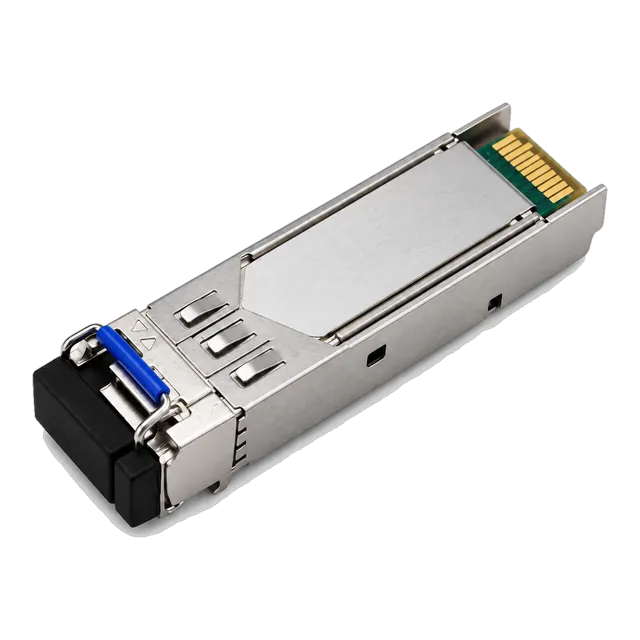 15 models
100 m multimode, 10 km to 80 km single-mode
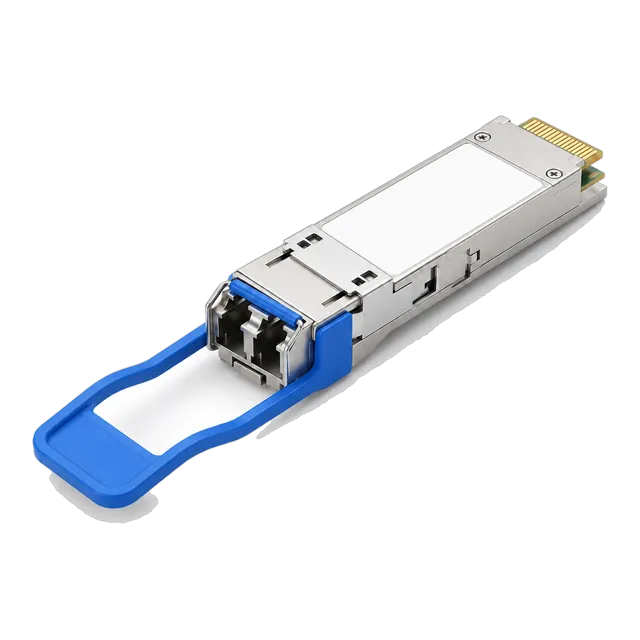 15 models
100 m to 300 m multimode, 10 km to 80 km single-mode
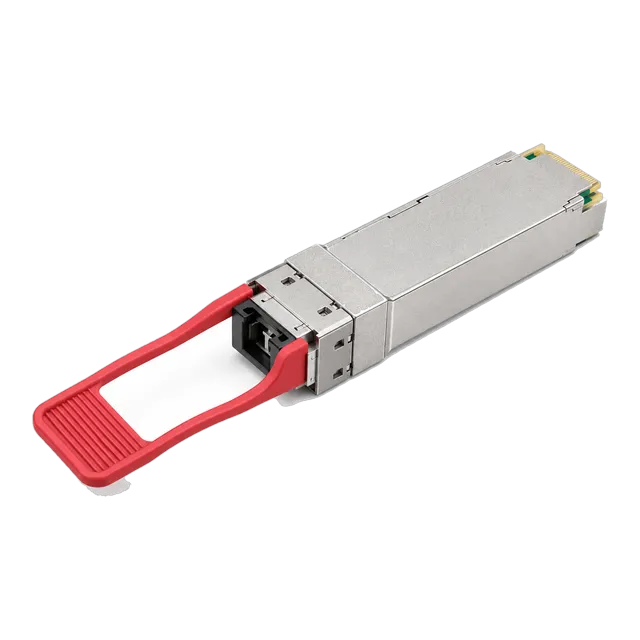 17 models
100 m multimode, 2 km to 100 km single-mode
Showing six of 12 families. The full list is in the filter below.
Relax one filter, or send us the link requirement and we will confirm what can be built.
Ask our teamOrientation
Use the form factor as the starting point. Host support, fibre grade and measured loss still decide the final model.
| Family | Data rate | Form factor | Typical reach | Listed |
|---|---|---|---|---|
| 1.25G SFP | 1.25 Gb/s | SFP (MSA), hot-pluggable, 3.3 V | 550 m to 120 km by variant | 16 models |
| 2.5G SFP | 2.5 Gb/s | SFP (MSA), hot-pluggable, 3.3 V | 20 km duplex, up to 120 km BiDi | 3 models |
| 10G SFP+ | 10 Gb/s | SFP+ (MSA), hot-pluggable, 3.3 V | 220 m multimode, 20 km to 100 km single-mode | 17 models |
| 25G SFP28 | 25 Gb/s | SFP28 (MSA), hot-pluggable, 3.3 V | 100 m multimode, 10 km to 80 km single-mode | 15 models |
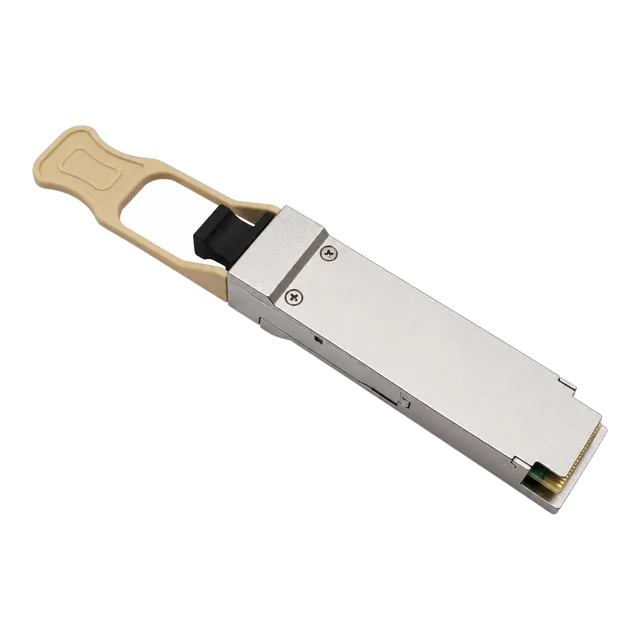
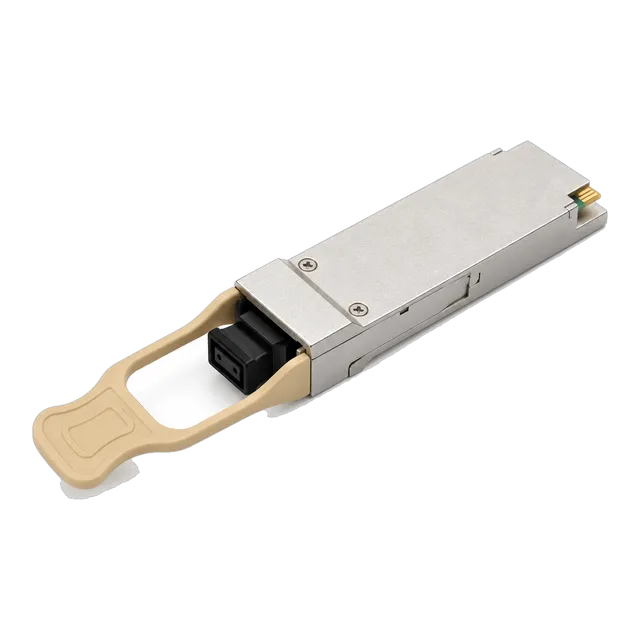
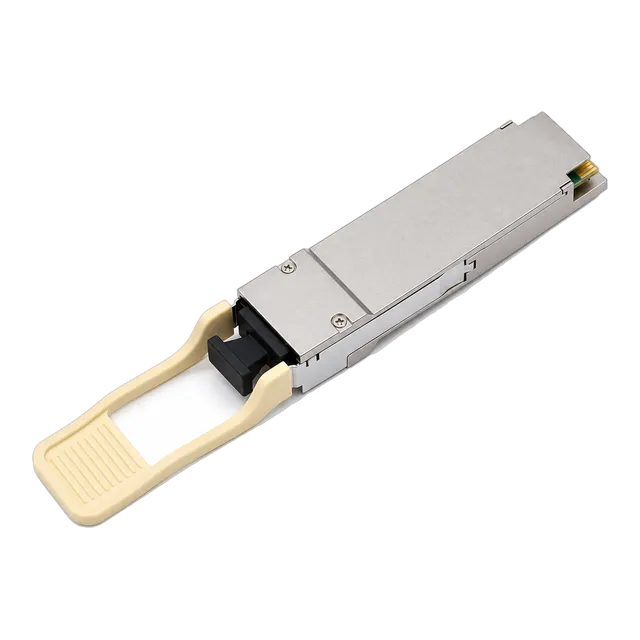
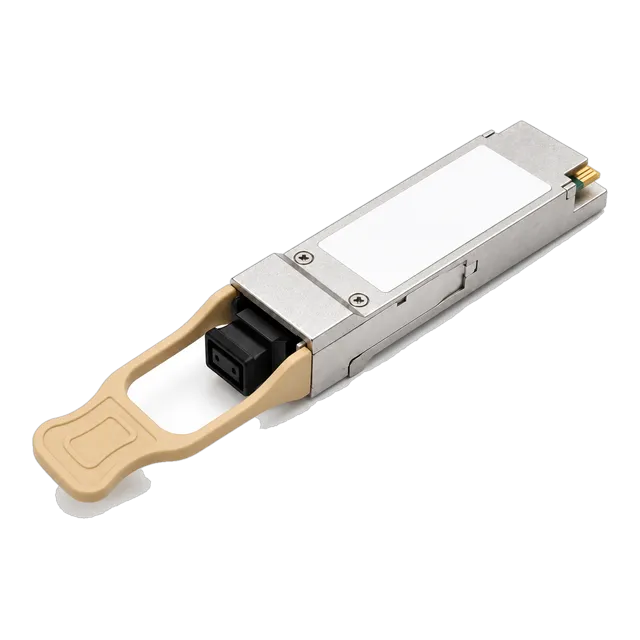
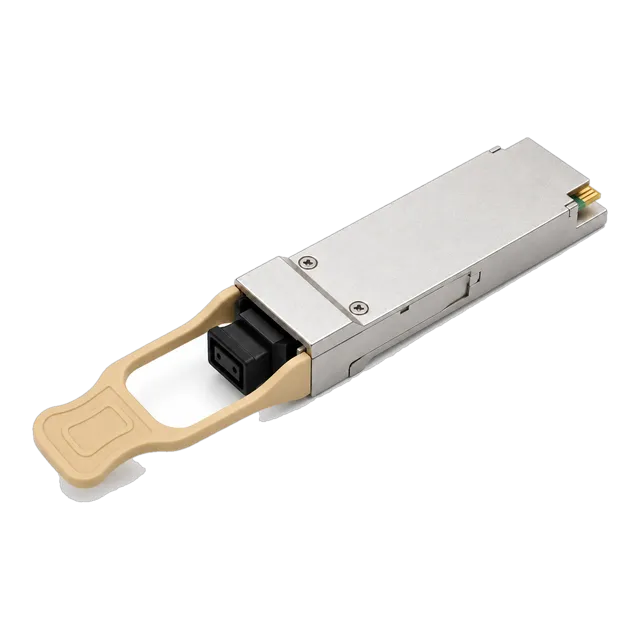
| 40G QSFP+ | 40 Gb/s, four lanes of 10 Gb/s | QSFP+ (MSA), hot-pluggable, 3.3 V | 100 m to 300 m multimode, 10 km to 80 km single-mode | 15 models |
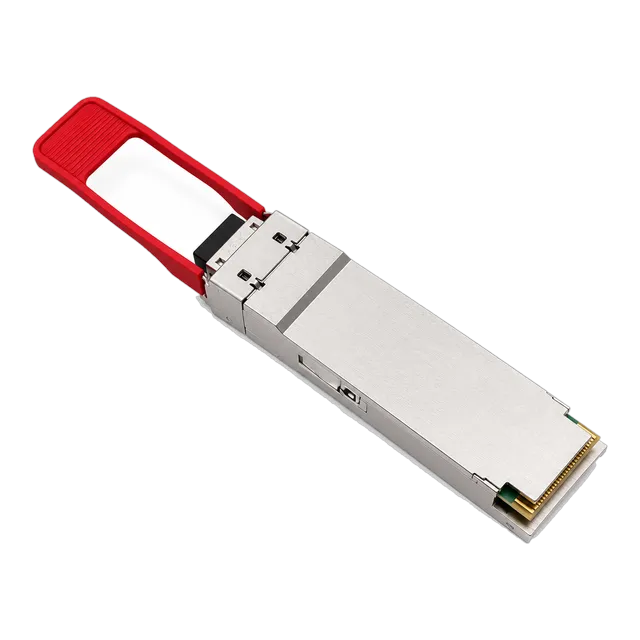
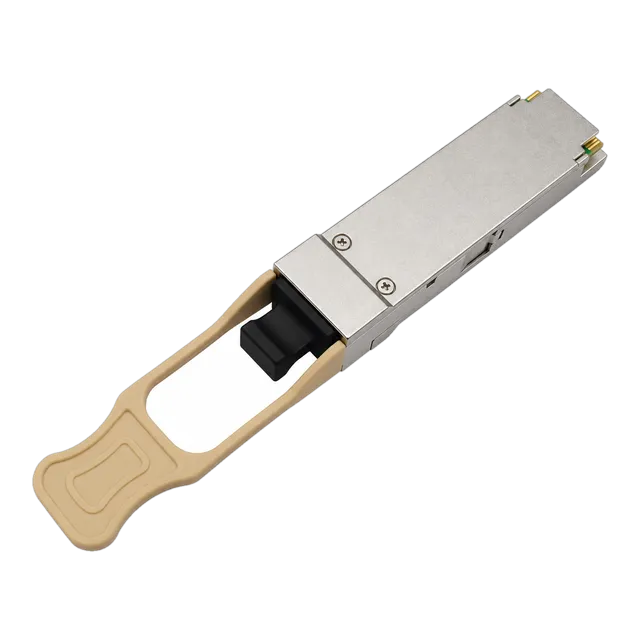
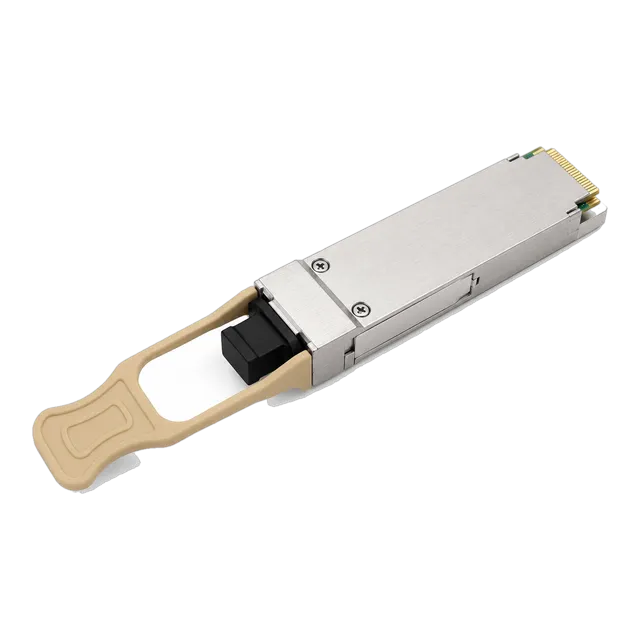
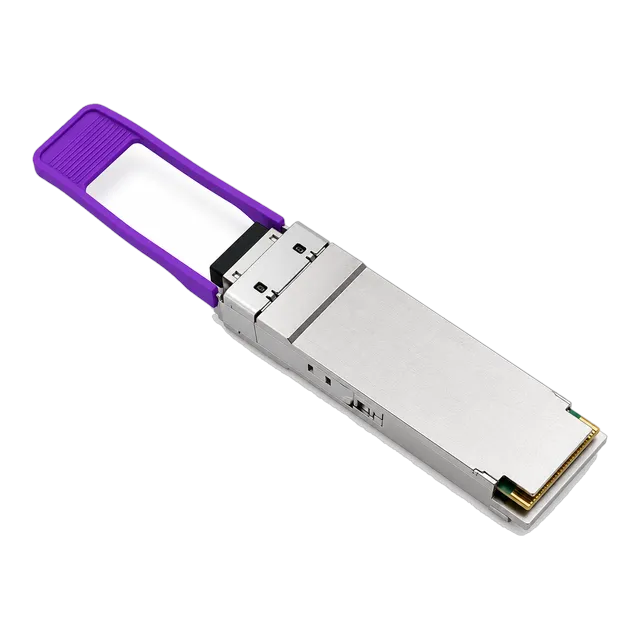
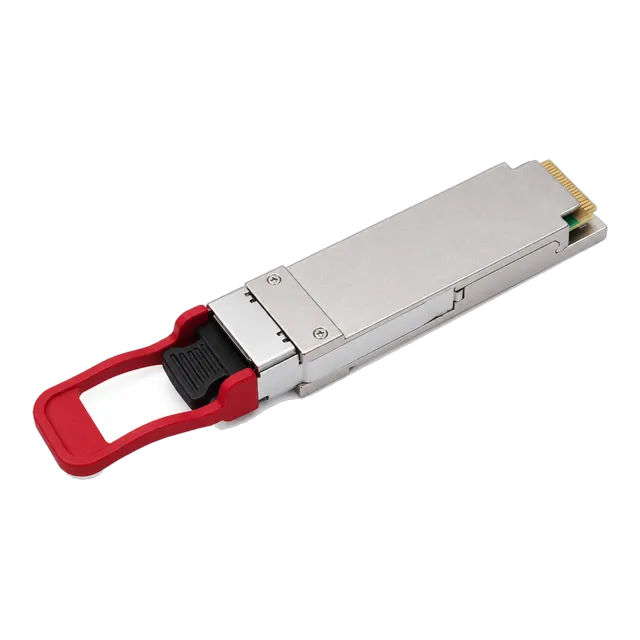
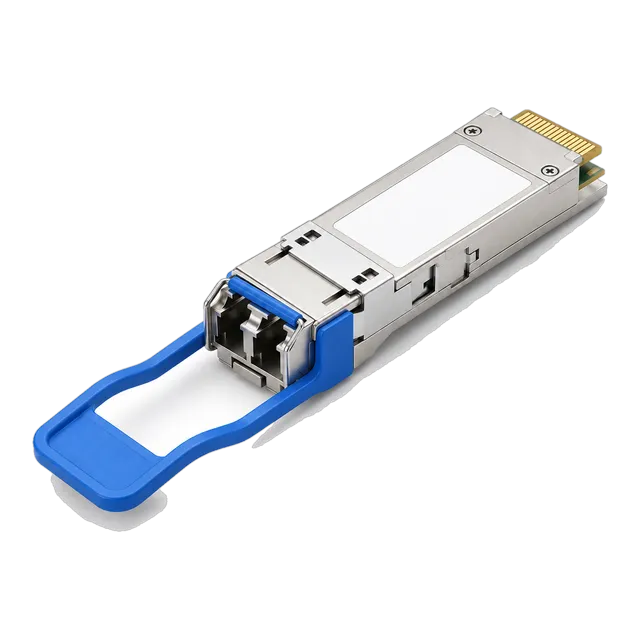
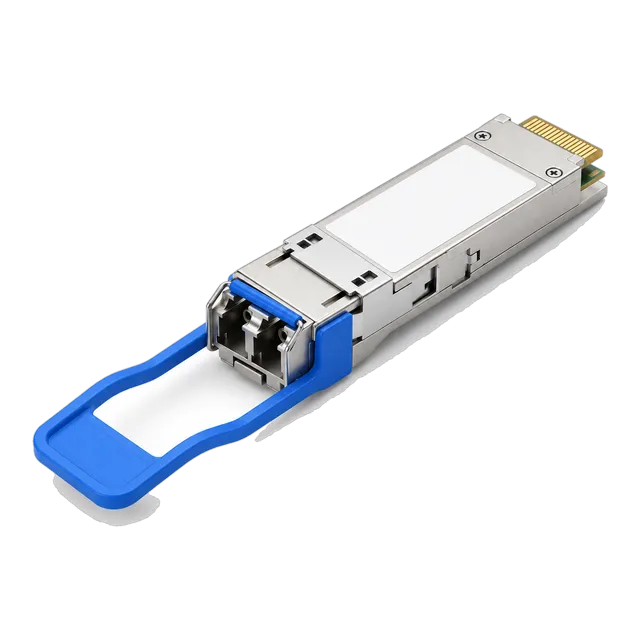
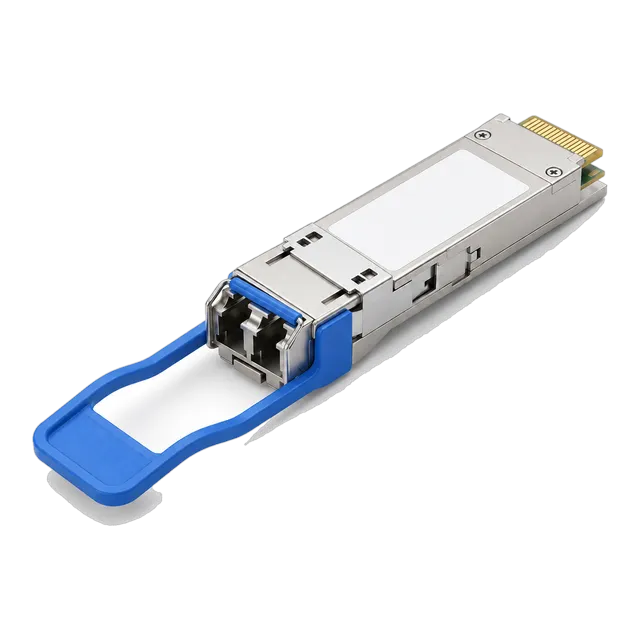
| 100G QSFP28 | 100 Gb/s, four lanes of 25 Gb/s | QSFP28, MSA and SFF-8636, hot-pluggable, 3.3 V | 100 m multimode, 2 km to 100 km single-mode | 17 models |
| 155M SFP | 155 Mb/s | SFP (MSA), hot-pluggable, 3.3 V | 10 km duplex, 20 km BiDi | 2 models |
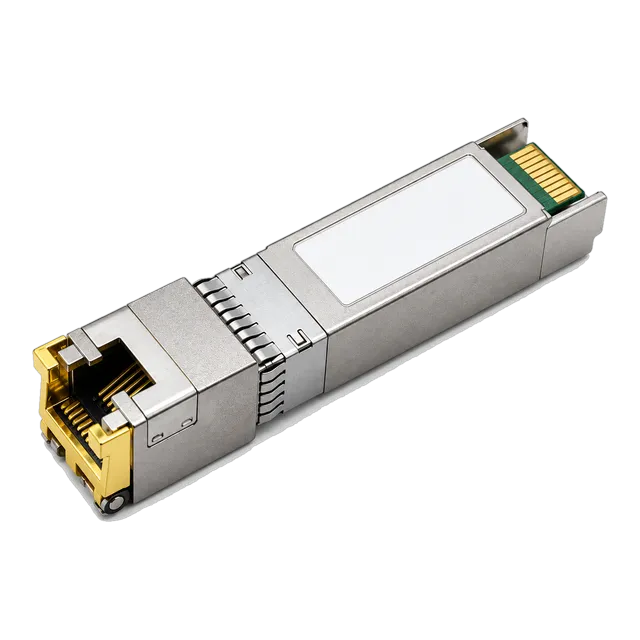
| Copper RJ45 SFP | — | — | 100 m, with 30 m and 80 m classes at 10G | 21 models |
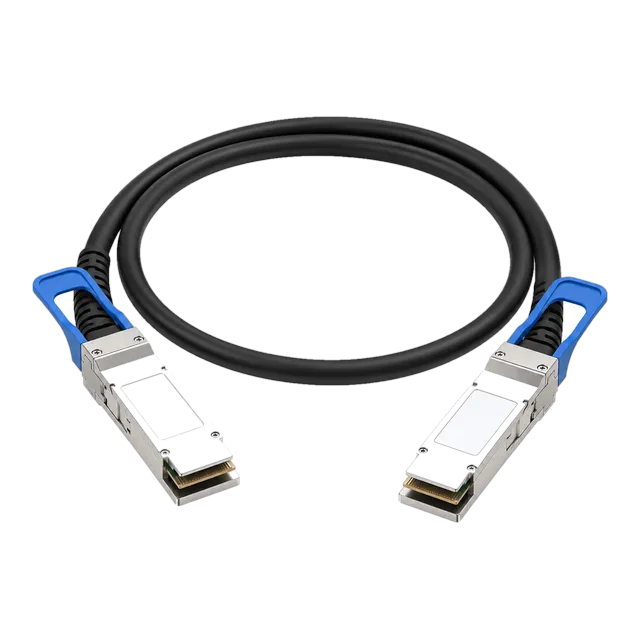
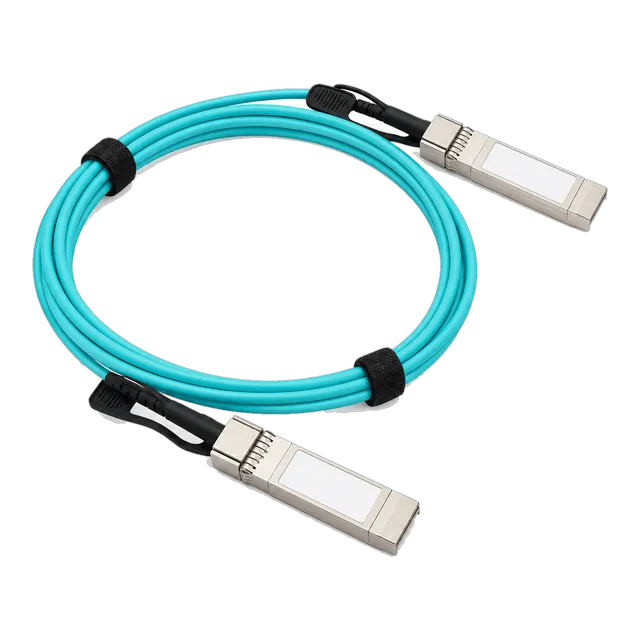
| DAC & AOC Cable | — | — | — | 2 models |
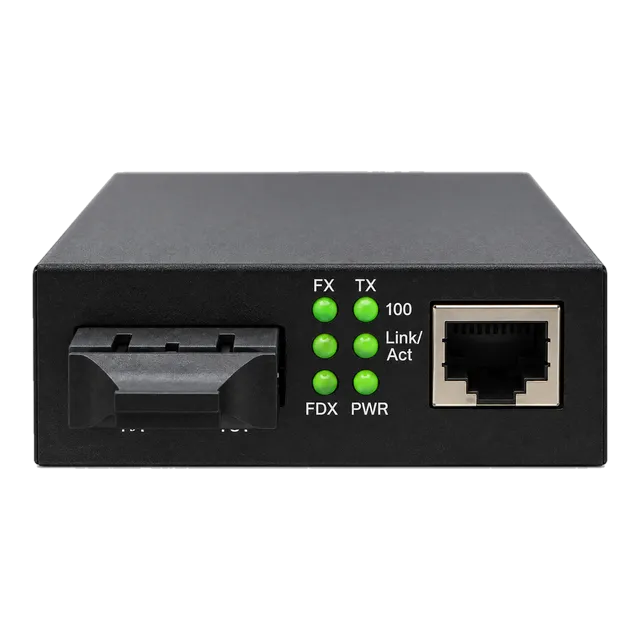
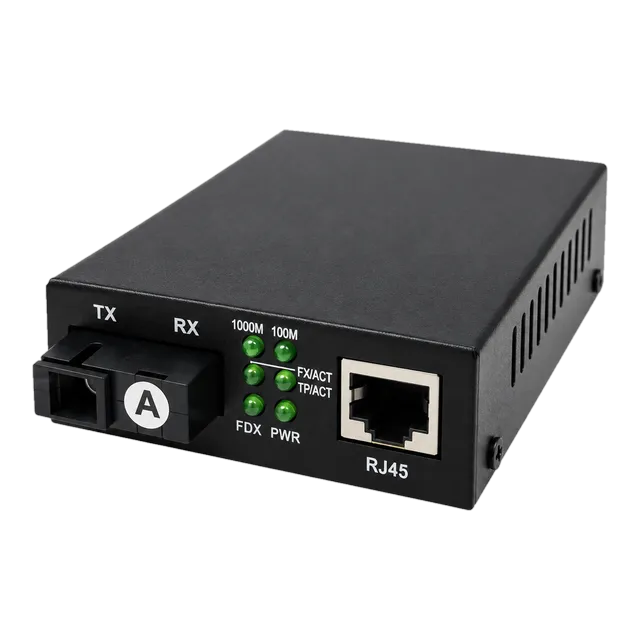
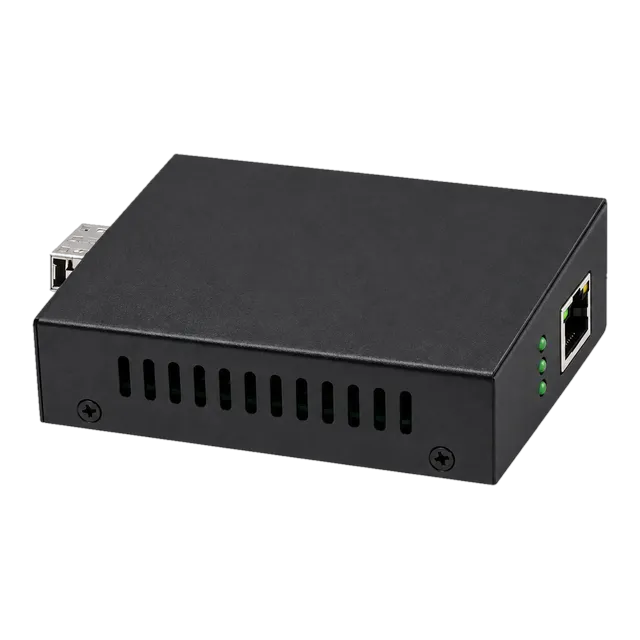
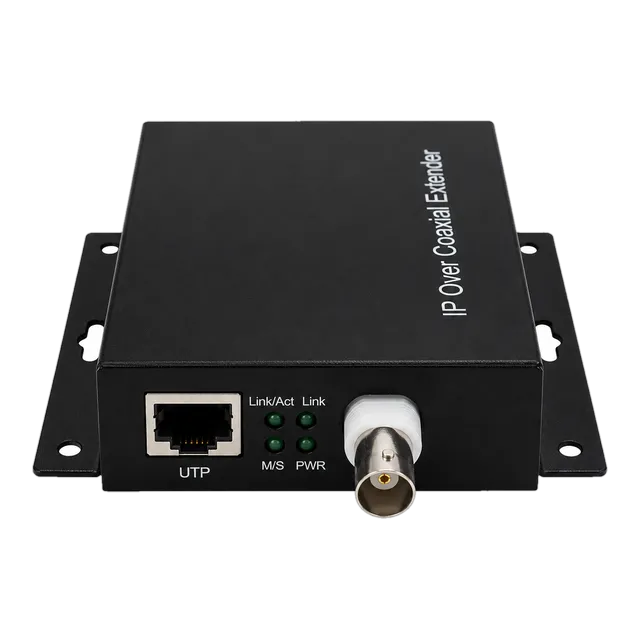
| Media Converter | — | — | 550 m to 40 km on fibre, up to 1500 m on coax | 4 models |
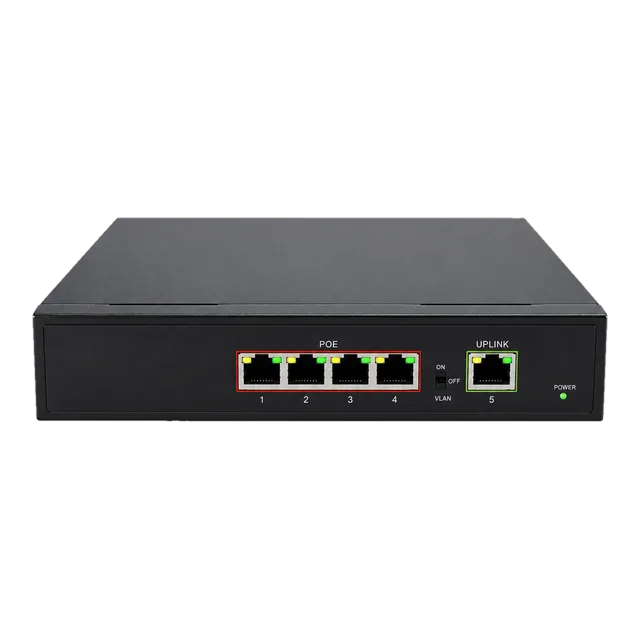
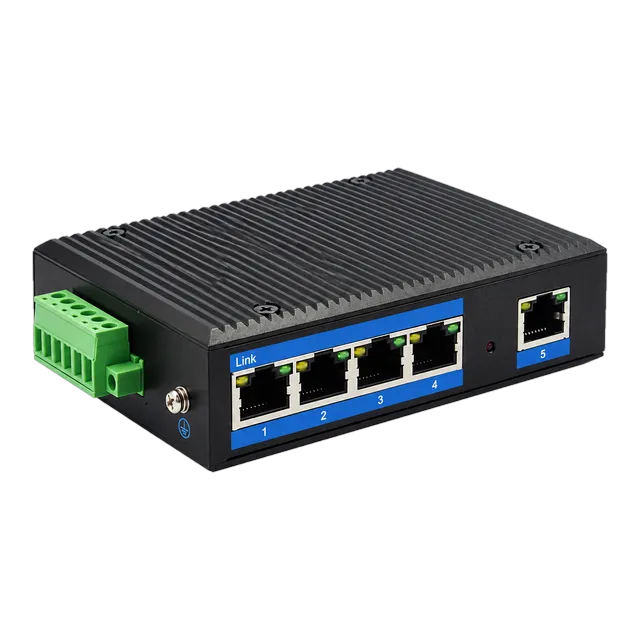
| Ethernet Switch | — | — | — | 2 models |
| Multi-Rate & Other | — | — | — | 2 models |
Questions
For 20 km you need a single-mode module, not a multimode one. At Gigabit that is normally a 1310 nm 1000BASE-LX type rated for 20 km with a duplex LC connector, and at 10G a 1310 nm LR type or a longer-reach variant. If only one fiber strand is available, a bidirectional module pairing two wavelengths is used instead and must be ordered as a matched pair. Confirm the host port rate, the connector on your patch panel, whether the fiber is single or dual strand, and the host platform the module has to work with.
Pluggable optics follow multi-source agreements for their mechanical and electrical interface, but host platforms read the module memory and compare it against what they expect. A third-party module therefore has to be programmed for the platform it will sit in. Tell us the vendor, the exact switch model, the software version and the port type, and the coding for that combination is confirmed before production. Platform names are used only to identify the host a module is coded for, and they are trademarks of their respective owners.
A dual-fiber module transmits on one strand and receives on another, so a link uses two fibers and both ends are identical. A single-fiber bidirectional module uses one strand, sending and receiving on different wavelengths separated by an internal filter. That halves fiber consumption, which matters where leased or installed fiber is scarce, but the two ends are not identical. They must be ordered as an upstream and downstream pair, for example 1310 nm transmit facing 1550 nm transmit, and a quantity of one half alone cannot form a link.
Generally no. An SFP+ cage will usually accept a Gigabit SFP module and run it at 1G if the host allows that rate, but a 10G module in a 1G-only port will not negotiate a working link, because the host serialiser does not support the rate. Some multi-rate modules cover several speeds, and some host ports are configurable, so the answer depends on both sides. Send the switch model and the port configuration you intend to use and the correct module for that port can be identified.
Both work, but the reach differs. A 40GBASE-SR4 module reaches roughly 100 m on OM3 and 150 m on OM4, and a 100GBASE-SR4 module roughly 70 m on OM3 and 100 m on OM4. Those figures assume an MPO trunk with correct polarity, clean endfaces and few connection points; each extra mated pair eats into the budget. If the span is close to the limit, or the cabling has several patch points, single-mode optics are usually the more robust choice.
All 36 questions are answered in the full FAQ.
Next step
Tell us the host platform, the fibre you have and the distance you need to cover. We will confirm the shortlist and quote the configuration.