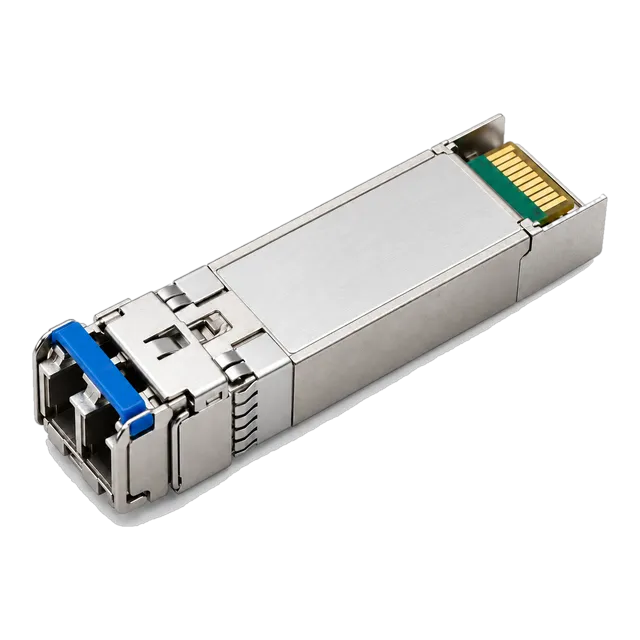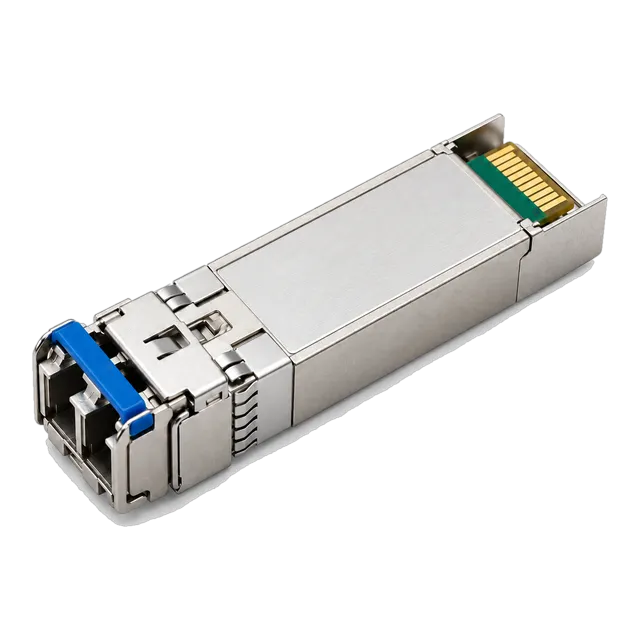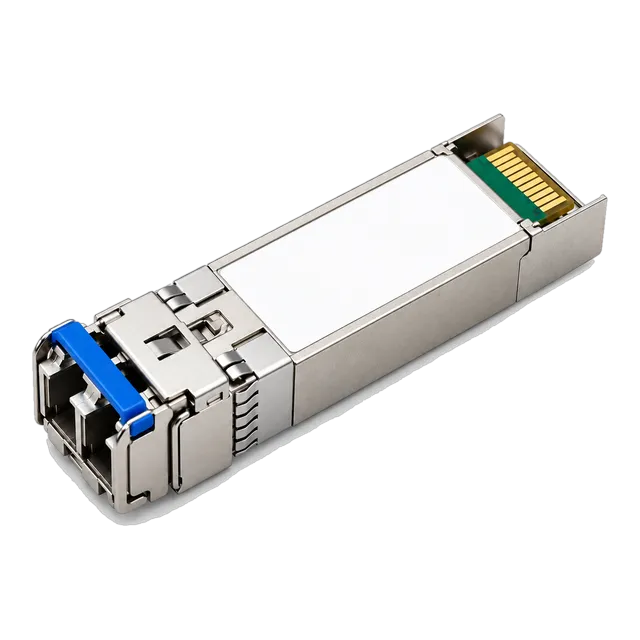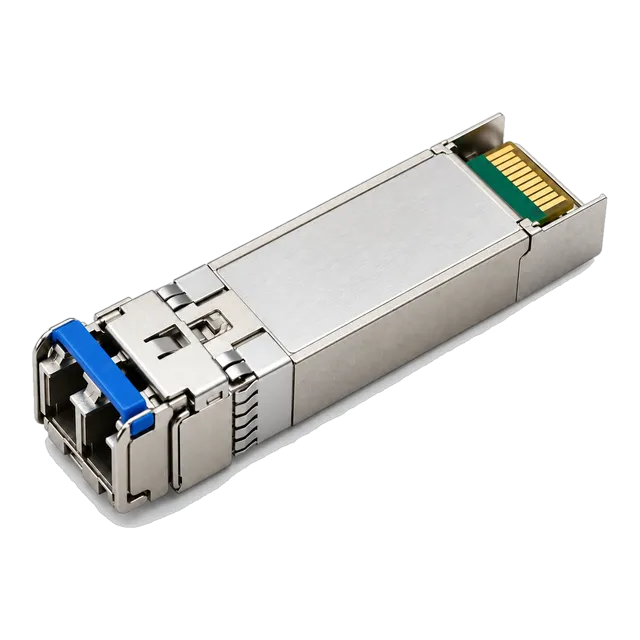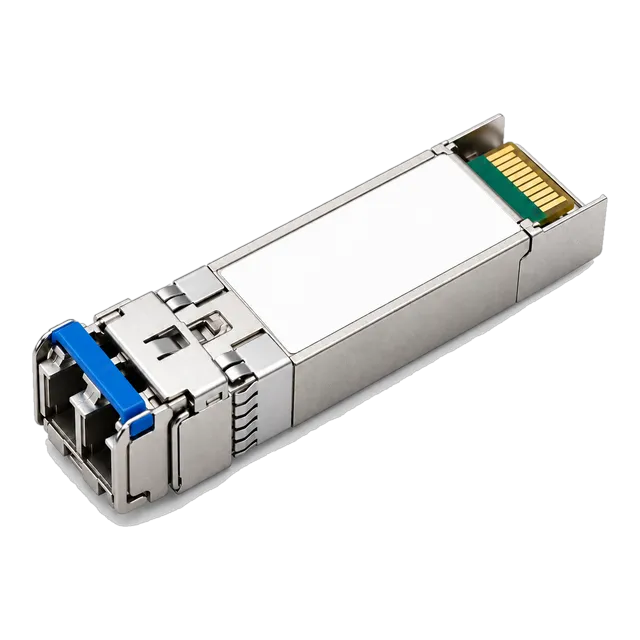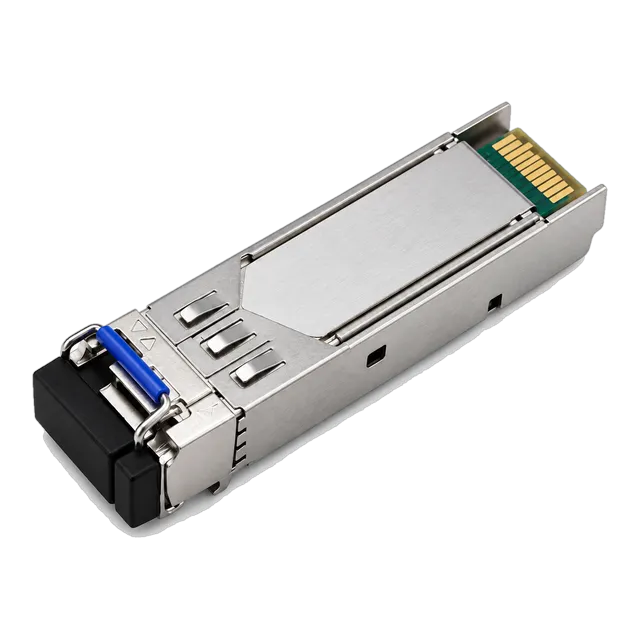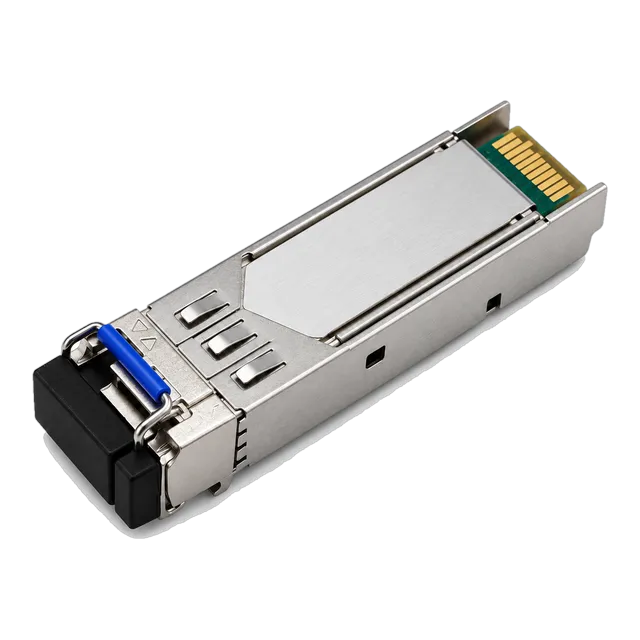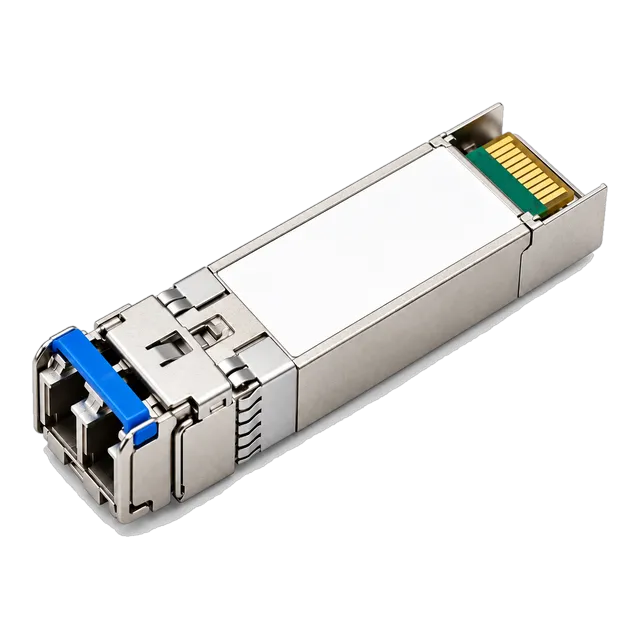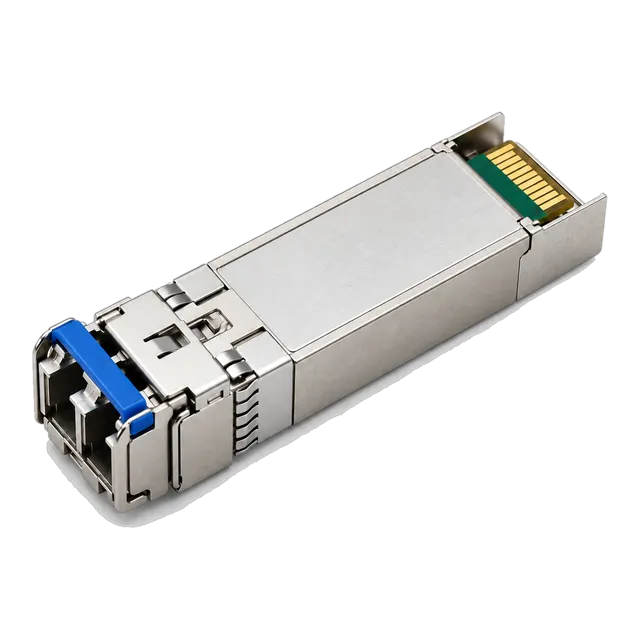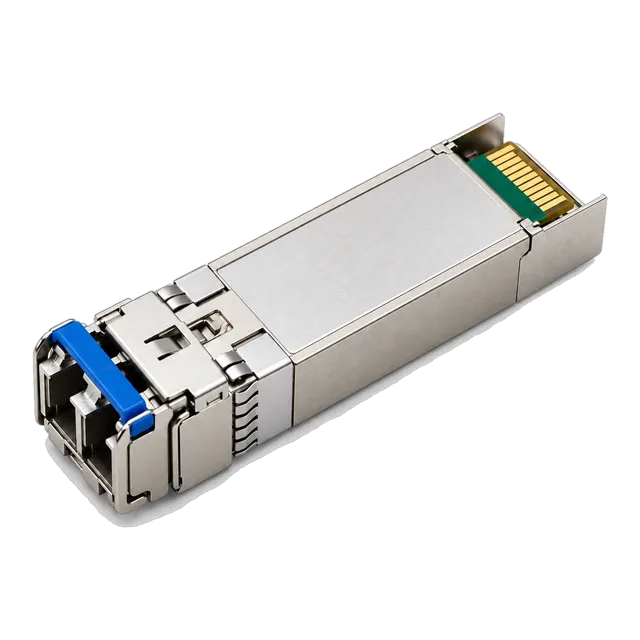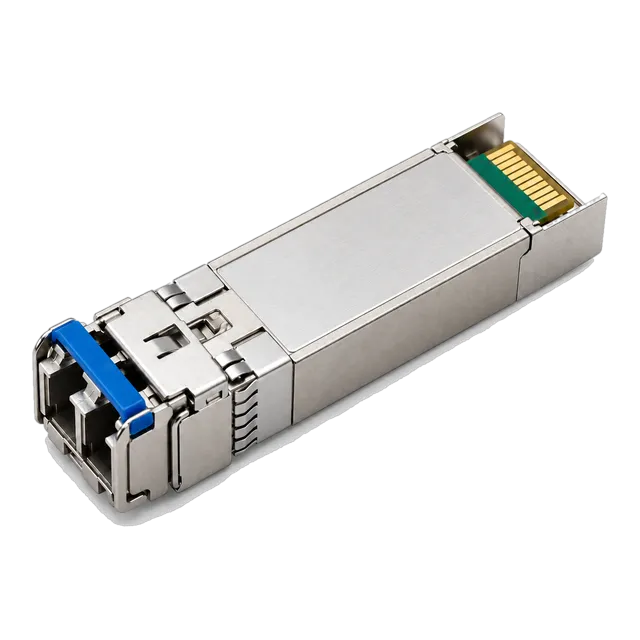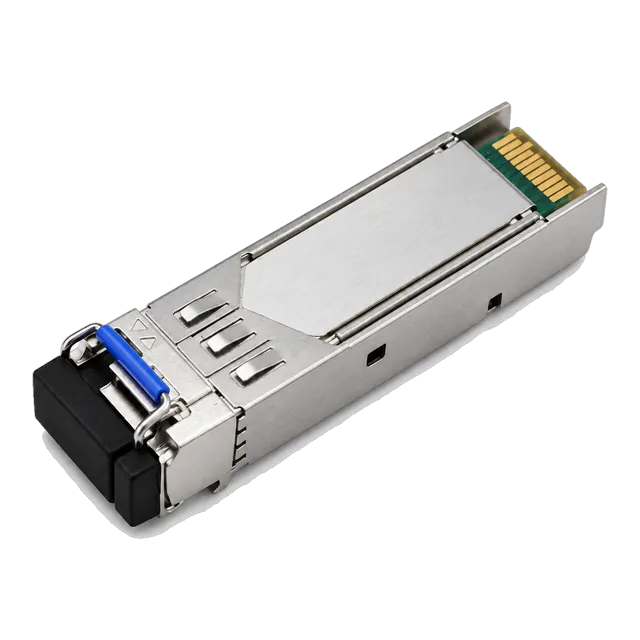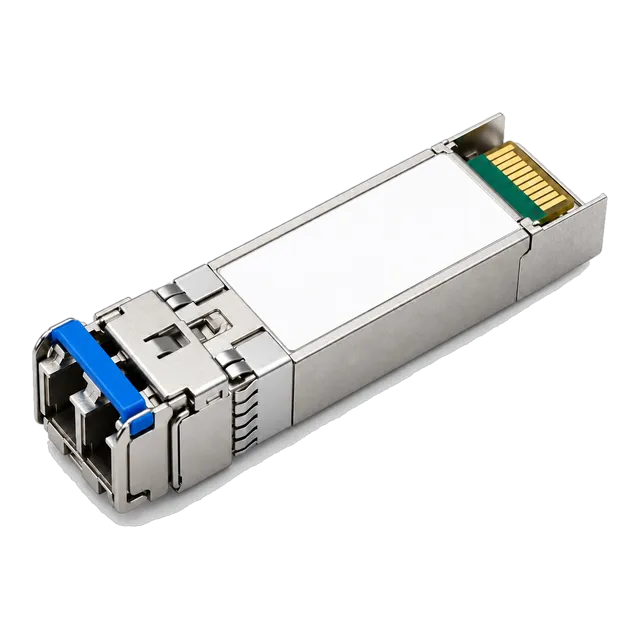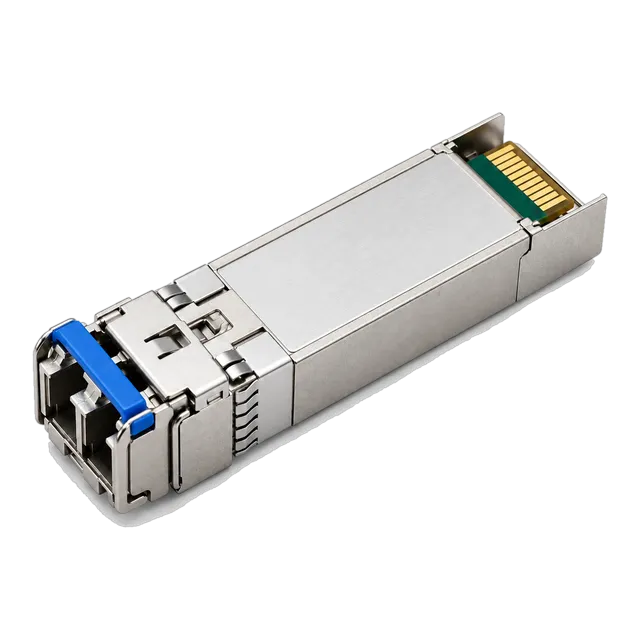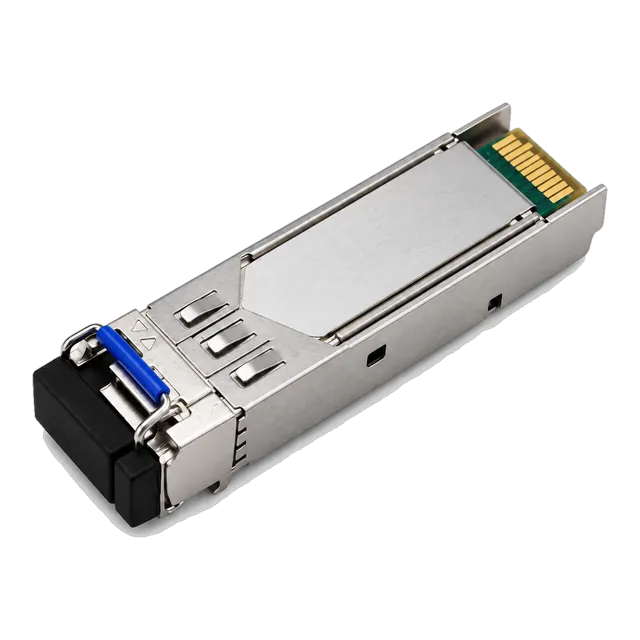
25G SFP28 BiDi Single-Fiber 1270/1330nm WDM Transceiver
- Data Rate25 Gbps
- Wavelength1270 nm / 1330 nm
- Transmission ModeBiDi, Single Fiber, WDM


25G SFP28 · 15 models
25G SFP28 transceivers covering 25GBASE-SR at 100 m, LR at 10 km, ER at 40 km, ZR at 80 km and single-fiber BiDi builds with DDM. Specifications and enquiry.
Buying guide
A 25G SFP28 is the pluggable optic used for 25 Gigabit Ethernet on server adapters, top-of-rack switches and 5G fronthaul equipment. It keeps the SFP mechanical form and the 3.3 V hot-pluggable interface, so port density stays the same as a 10G design, while raising the lane rate to 25 Gb/s. All modules in this category support digital diagnostics, which lets the host read optical power, temperature, voltage and bias current for each port.
The range covers the full reach ladder. Short links inside a rack or row use a 25GBASE-SR module, an 850 nm VCSEL design over multimode fibre with a duplex LC interface, specified at 100 m. Beyond that, single-mode optics take over: 25GBASE-LR at 1310 nm for 10 km, 25GBASE-ER at 1310 nm for 40 km, and a ZR class module at 1310 nm using an EML transmitter with a semiconductor optical amplifier to reach 80 km. Single-fiber BiDi models are also listed, at 20 km on a 1270 and 1330 nm pairing and at 80 km on a 1295 and 1309 nm pairing, both with a simplex LC interface.
The practical decision sequence is fibre type first, then measured loss, then strand count. After that, confirm the coding the host platform expects and whether forward error correction has to be enabled for the chosen variant.
Models
Filter the family, then open a model for the full specification table, illustrations and ordering information.
Selection
25G SFP28 variants in this range and the link each one suits.
| Variant | Wavelength | Typical reach | Fiber / media | Where it fits |
|---|---|---|---|---|
| 25GBASE-SR | 850 nm VCSEL | 100 m | OM4 multimode, duplex LC | Server to top-of-rack, in-row switching |
| 25GBASE-LR | 1310 nm | 10 km | G.652.D single-mode, duplex LC | Building to building, spine uplinks |
| 25GBASE-ER | 1310 nm | 40 km | G.652.D single-mode, duplex LC | Metro links and data centre interconnect |
| 25G ZR | 1310 nm, EML with SOA | 80 km | G.652.D single-mode, duplex LC | 5G fronthaul and long metro spans |
| 25G BiDi BX20 | 1270 / 1330 nm | 20 km | Single-mode single strand, simplex LC | Fronthaul and access on one fibre |
| 25G BiDi BX80 | 1295 / 1309 nm | 80 km | Single-mode single strand, simplex LC | Long single-fiber metro routes |
Listed values describe the published range. Confirm the exact model datasheet, host coding and installed link before ordering.
Before you order
At 25 Gb/s the link budget assumed by a standard often includes forward error correction, and whether FEC is on is a property of the switch port and its configuration rather than of the optic. A pair of modules that works on one platform can show errors on another simply because FEC is disabled at one end. Check what the host requires for the variant you are fitting, make sure both ends match, and treat a link that comes up but accumulates errors as a configuration question before assuming a hardware fault.
A 25GBASE-SR module is specified at 100 m, and reaching that figure depends on the multimode fibre installed. OM4 carries the full distance with margin, OM3 gives noticeably less, and older OM1 or OM2 plant is not suitable for 25G at any useful length. Check the fibre records before assuming a short data hall link will work. Where the cabling is older, either re-terminate onto OM4 or move the link to single-mode optics rather than trying to stretch the multimode plant.
Beyond 10 km there is more than one way to make the link. An ER module reaches 40 km on two strands, a ZR class module with an optical amplifier reaches 80 km, and a BiDi pair reaches 80 km on a single strand. The right answer usually depends on what the fibre costs rather than on the optics. Where strands are leased individually, the BiDi option can be the cheaper build even though the modules themselves carry a premium. Get the measured loss before deciding.
Many 25G links terminate on ports that can also run at 10G, or on a 100G port broken out into four 25G lanes with a splitter cable. Both cases depend on the host platform supporting the configuration and on the port being set for the intended speed. Confirm the port mode as well as the module, and confirm the coding the platform expects from the EEPROM. Where the estate mixes vendors, the same optical variant may be needed under more than one code.
FAQ
SR is an 850 nm design that runs over multimode fibre and is specified at 100 m, which suits links inside a rack or row. LR is a 1310 nm design that runs over single-mode fibre and is specified at 10 km, which suits links between buildings or between halls. Both use a duplex LC connector, so the deciding factor is the fibre already installed and the distance.
Some platforms allow a 25G port to operate at 10G, but that is a property of the switch port rather than of the optic, and a 25G optic is not automatically a dual rate part. Where a port has to support both rates, confirm it in the switch documentation and confirm the module is specified for the lower rate as well. Otherwise use a 10G SFP+ module in a port configured for 10G.
The SR modules here are specified at 100 m, which assumes OM4 multimode fibre. OM3 gives a shorter usable distance, and older OM1 and OM2 plant is not suitable for 25G links of any practical length. If the installed fibre is unknown, check the cable jacket markings or the cabling records before ordering, because the fibre grade rather than the optic sets the limit.
It depends on the variant and the platform. Forward error correction is part of the link budget assumed by several 25G modes, and whether it is enabled is decided by the switch port configuration at both ends. A mismatch shows up as a link that comes up but reports errors. Check what the switch requires for the variant being installed and make sure both ends are configured the same way.
Related families
Next step
Send the host platform, the fibre you have and the distance you need. We will shortlist the models that actually work and quote them.